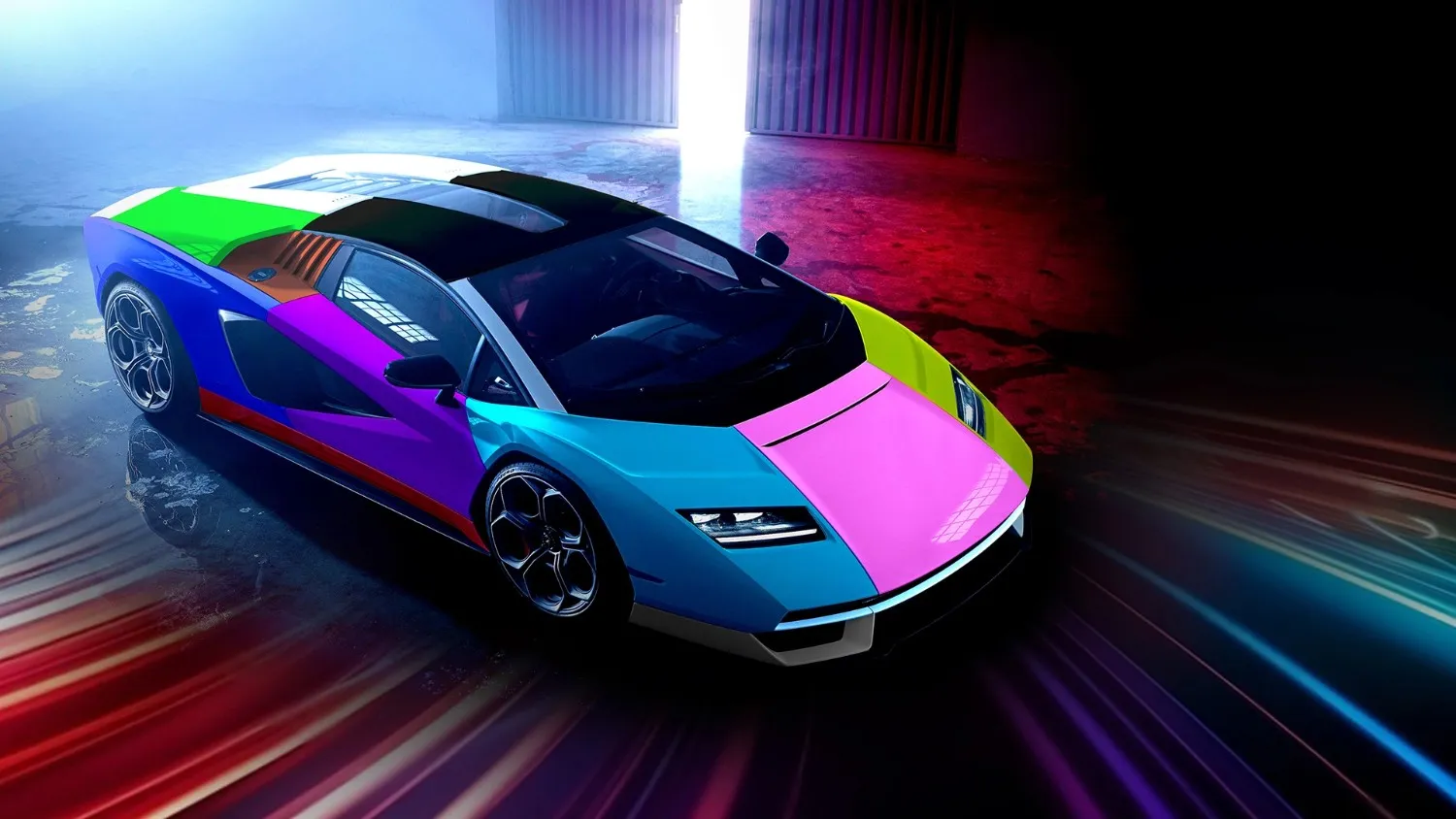
Your vehicle's paint is one of its most visible assets, and protecting it has never offered more options. Color PPF sits at an interesting crossroads between paint protection and aesthetic customization, giving drivers the ability to change how their vehicle looks while simultaneously shielding it from road debris, UV exposure, and everyday wear.
But is color PPF actually worth it? Like any automotive product, it comes with genuine advantages and real limitations that deserve an honest look before you commit.
This post breaks down everything an informed vehicle owner needs to know. You will learn exactly how color PPF differs from traditional clear PPF, how the technology works beneath the surface, and what specific pros and cons come with choosing a colored film. You will also find a direct comparison between color PPF, clear PPF, and vinyl wraps to help clarify which option suits your goals. Finally, you will get practical guidance on whether color PPF fits your situation and why professional installation is a deciding factor in the outcome. By the end, you will have a clear picture of whether this product deserves a place on your vehicle.
What Is Color PPF and How Is It Different from Clear PPF
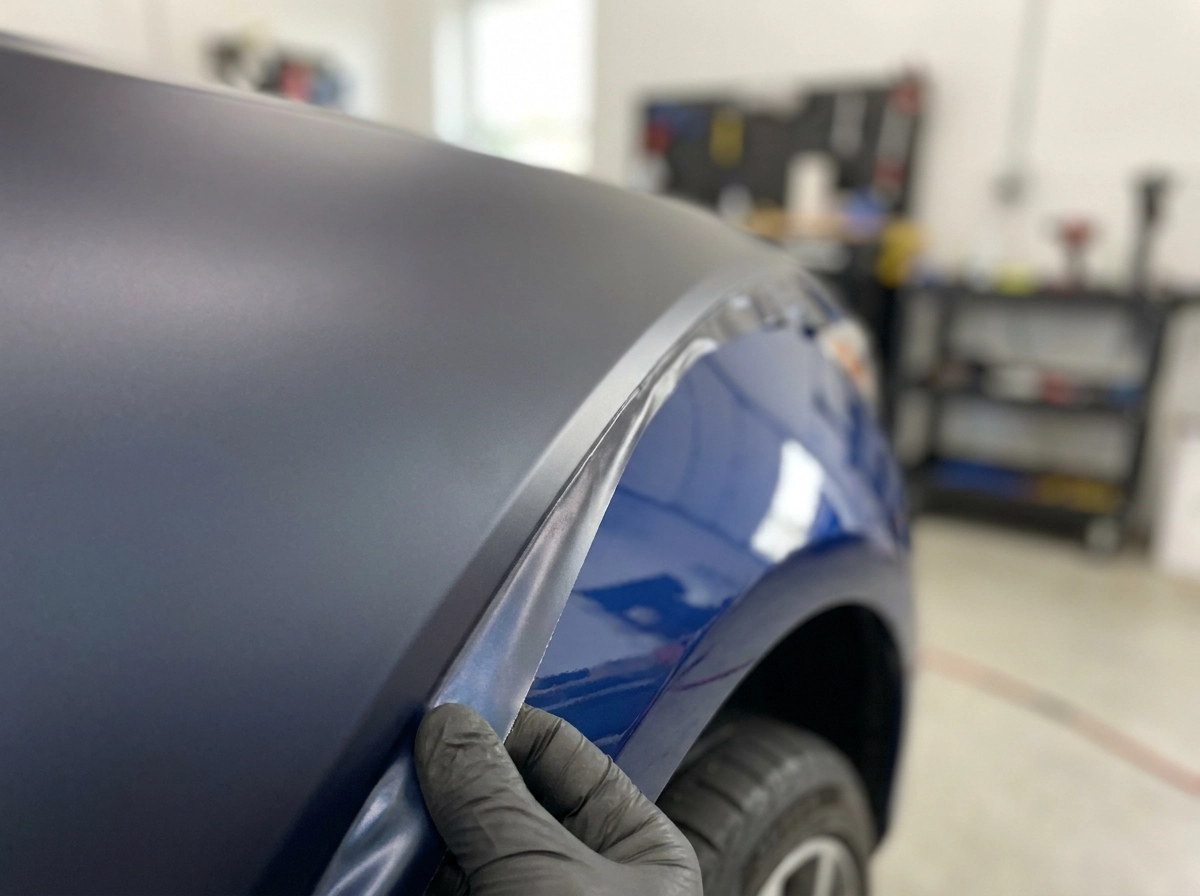
Color paint protection film is a pigmented variant of traditional PPF that does two jobs at once: it changes how your vehicle looks and shields the factory paint beneath it from physical damage. That dual function is what separates it from anything else on the market.
Standard clear PPF is essentially invisible. It sits over your factory color, preserving it while blocking rock chips, road debris, and UV degradation. Color PPF works differently by replacing the visible finish entirely, giving you a new color or effect on the surface while the protection layer does its job underneath.
The construction is the same polyurethane or polyurethane-blend architecture used in clear film. That means the core protective properties, including self-healing topcoat technology, impact absorption, and UV resistance, carry over directly. The pigment is built into the film structure; it does not compromise the protective function.
Brands like 3M PWF, Inozetek, Cheetah PPC, and SVG offer dedicated color PPF lines spanning matte, satin, gloss, and specialty effect finishes. These products are engineered differently from standard vinyl wraps, which typically run 3 to 4 mils thick and offer no meaningful chip resistance. Color PPF sits closer to 6 to 10 mils, a thickness range that enables the impact protection vinyl cannot deliver. If you're comparing the two directly, our color PPF vs. vinyl wrap guide covers that material difference in detail.
The buyers drawn to color PPF tend to fall into two groups: enthusiasts who want a color change with real long-term durability, and owners who want personalization without being locked into their factory color for the full life of the film.
How Color PPF Works: The Technology Behind the Film
Understanding what color PPF is made of explains why it performs the way it does.
Color PPF is engineered with a pigmented surface layer bonded to a polyurethane or TPU core, finished with a clearcoat, and adhered to the vehicle via a pressure-sensitive backing, a construction adapted from clear PPF technology. If you're still orienting yourself on the basics, our color PPF page covers the product category in fuller detail.
Self-healing is one of the most practical features in the stack. The clearcoat layer responds to heat, allowing minor swirl marks and light scratches to close back up. In warm climates, ambient temperatures are often sufficient. In cooler conditions, a brief pass with a heat gun achieves the same result.
The adhesive layer bonds securely without chemically altering the paint beneath. A quality installation is designed to be removable; a professional shop can advise on what to expect for your specific vehicle's paint condition.
UV-blocking compounds distributed throughout the film protect both the paint below and the film's color layer from fading and oxidation. In Central Texas's high-UV environment, this matters more than in lower-sun markets.
That 6–10 mil thickness advantage over vinyl, established in the section above, is what makes impact protection possible.
The Pros of Color PPF
That technology translates directly into real-world advantages. Here is what color PPF delivers that neither clear PPF nor vinyl wraps can match on their own.
One product, two jobs. Color PPF changes your vehicle's appearance and protects the paint beneath it simultaneously. For owners considering a vinyl wrap plus a clear PPF layer on top, color PPF consolidates both into a single installation, reducing labor time and material cost in many full-coverage scenarios.
Meaningful impact resistance. Standard vinyl wraps are designed for aesthetics, not armor. Color PPF's polyurethane or TPU core absorbs rock chips, road debris, minor abrasions, and bug splatter that vinyl simply is not constructed to handle. Highway driving at speed is where that difference becomes real.
Self-healing finish. The topcoat recovers from light scratches caused by car washes, brushing against objects, or incidental contact. Heat activates the process, and in Austin's intense summer sun, ambient temperatures often do the work without any intervention. The result is a surface that stays looking clean without constant polishing.
UV and fade resistance. Color PPF contains UV-blocking compounds that protect the film's pigmentation from oxidation. This matters especially in Austin's high-UV environment, where unprotected surfaces degrade significantly faster.
Fully reversible. Quality color PPF is designed to be removable by a professional installer without permanent modification to the factory paint, which preserves resale value and keeps lease return options open. That reversibility is part of the value calculation too.
Genuine finish variety. Professional-grade product lines offer matte, satin, gloss, and specialty effects, giving you real personalization without the permanence of a respray.
The Cons of Color PPF
Those advantages come with real tradeoffs worth understanding before you commit.
Cost is the most immediate barrier. Color PPF materials carry a higher per-foot cost than vinyl wrap, which, combined with the greater installation labor required, typically makes full-vehicle color PPF a larger upfront investment than a standard vinyl color-change wrap. For many owners, that premium is justified; for others, it reshapes the conversation toward partial coverage.
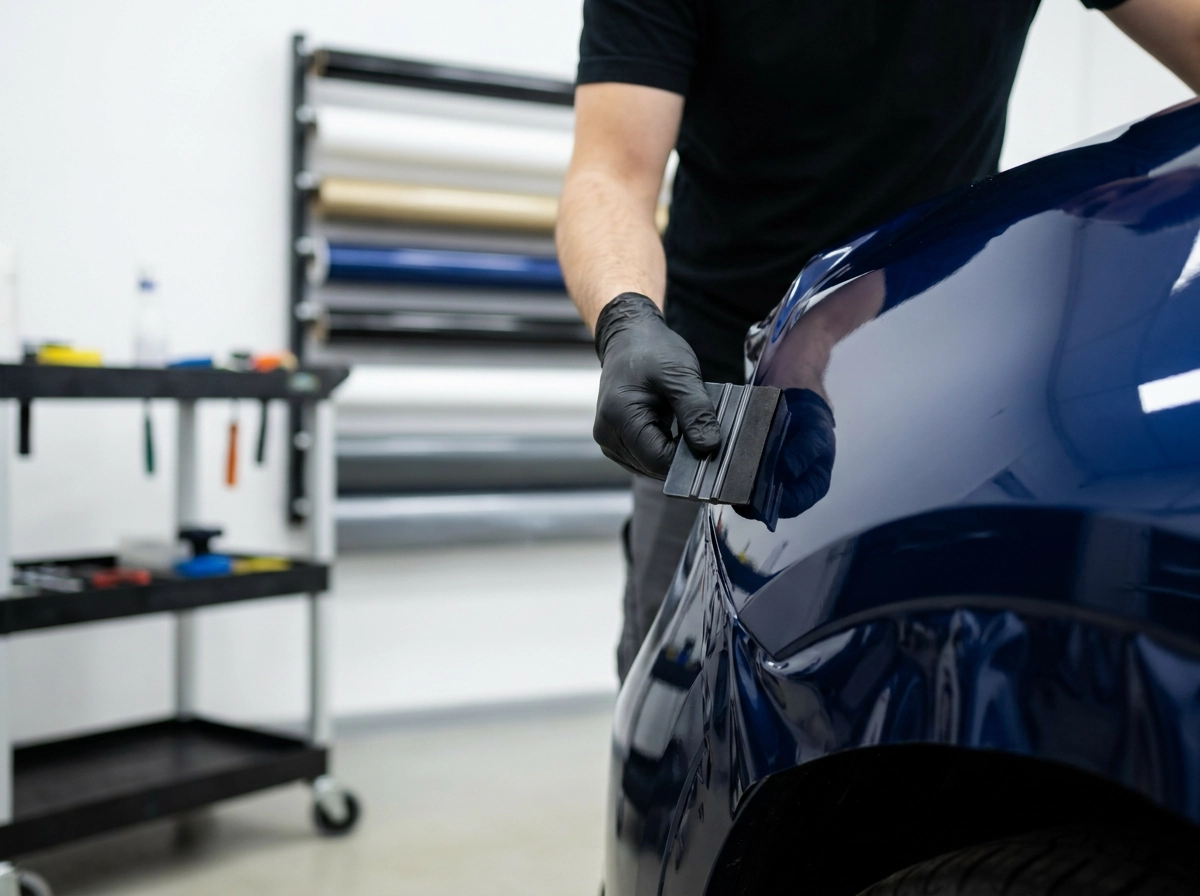
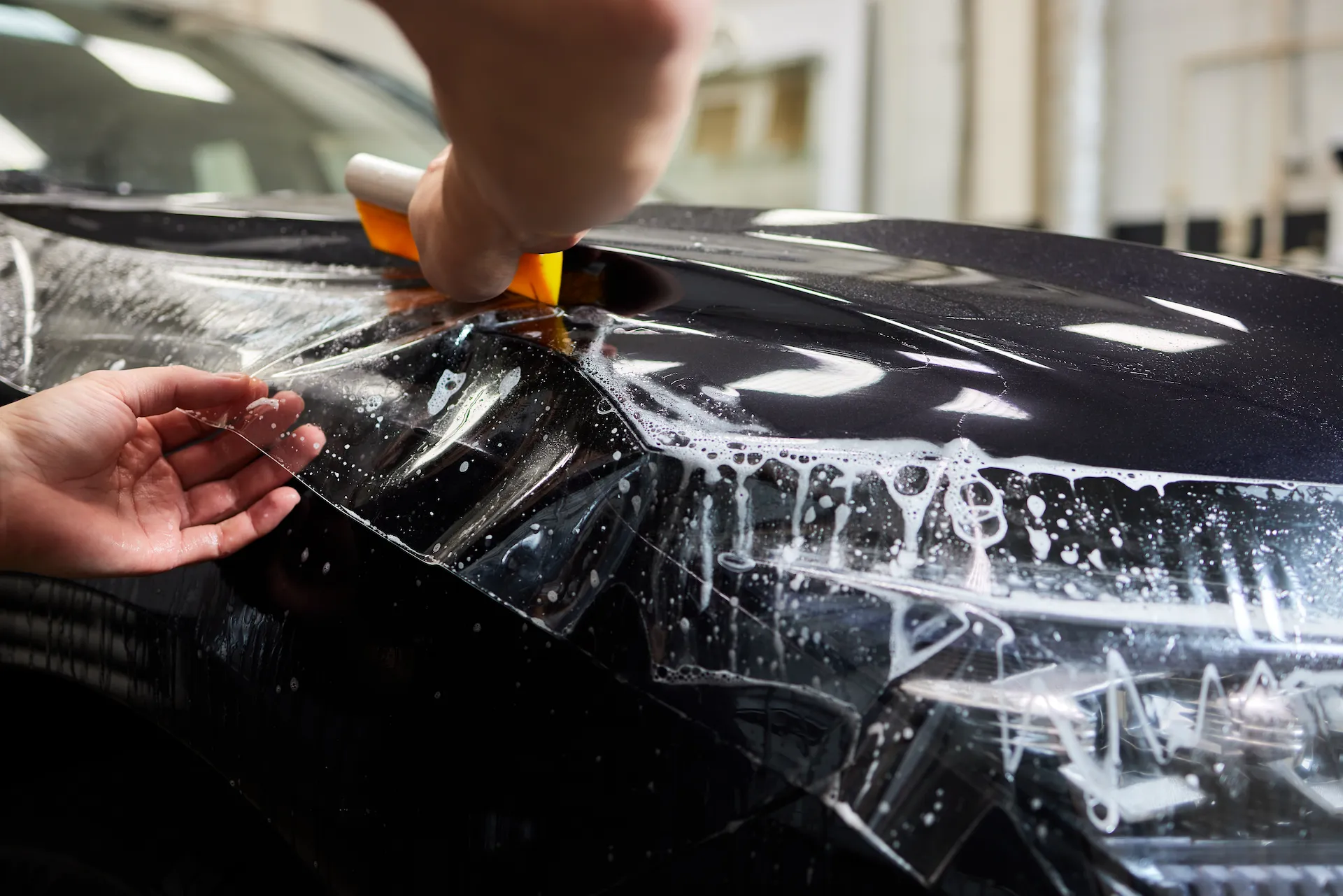
Installation has almost no margin for error. Color PPF is considerably less forgiving than entry-level vinyl during application. Improper surface prep, incorrect heat activation, or misaligned panel work can result in lifting edges, trapped bubbles, or adhesive residue that is difficult to correct without removing and restarting the panel entirely. This is not a DIY product.
Color consistency between installations is worth discussing with your installer. Installers and owners of color PPF report that matching a panel replaced months or years after the original installation can be difficult, as color and finish consistency between production batches is not guaranteed, a consideration worth raising before you commit.
Film thickness creates fitment challenges on complex geometry. Tight recesses, sharp body lines, and deeply sculpted panel edges require more labor time and often more seams than standard vinyl. If finish choices like matte versus gloss factor into your decision, our matte vs. gloss breakdown covers the tradeoffs in detail.
Lower-quality films carry a real yellowing risk. Budget color PPF lacking a UV-stable clearcoat can discolor within two to three years, a significant problem in high-UV markets. Not all products are built equally; film quality matters as much as installation quality.
Tell us your make, model, and what you have in mind. We'll give you an exact quote, not a ballpark.
Color PPF vs. Clear PPF vs. Vinyl Wrap: Which One Fits Your Goal
Those tradeoffs matter most when you're choosing the right product category in the first place. Here's how the three options stack up.
Clear PPF is the right call when preserving factory paint is the only objective. It adds no color, no visual change, just maximum physical protection against rock chips, abrasion, and UV degradation. It's the strongest choice for new vehicles, high-value paint jobs, or owners who want to keep their factory finish intact.
Standard vinyl wrap serves a different purpose entirely. It offers the widest range of colors, finishes, and custom graphics at a lower cost than either PPF option. The tradeoff is protection: vinyl is not engineered to absorb rock impacts or resist abrasion, so the paint beneath remains vulnerable on high-exposure surfaces.
Color PPF occupies the overlap between those two goals. It delivers a genuine color change alongside the chip resistance, self-healing performance, and UV protection that vinyl cannot provide. The durability advantage over vinyl is real, as covered in the tradeoffs above.
A common hybrid approach pairs clear PPF on high-impact zones (hood, front bumper, mirrors, rocker panels) with a vinyl wrap covering the rest of the vehicle. Color PPF simplifies that by handling both functions in a single layer, reducing installation complexity for owners who want full-body coverage.
The decision framework is straightforward: protection-first buyers choose clear PPF; budget-conscious color-change buyers choose vinyl; buyers who want both will find that color PPF, installed by a skilled studio with the right materials, delivers the strongest long-term value. Learn more about Wrapt and how we approach professional-grade installations from the start.
Is Color PPF Right for Your Vehicle
Choosing the right product comes down to how you actually use your vehicle, where you drive it, and how long you plan to own it.
Daily drivers take the most punishment. If your vehicle regularly logs highway miles, navigates gravel roads, or sits in busy parking lots, color PPF's chip and abrasion resistance earns its cost. Owners of garaged weekend cars with limited annual mileage can often get by with clear PPF or vinyl.
Austin's climate tips the scales. Central Texas delivers some of the highest UV index readings in the country, intense heat cycles, and highways known for road debris. Those conditions accelerate vinyl degradation and increase chip exposure. Color PPF's UV-stable construction and impact resistance perform specifically well here, where vinyl alone faces above-average stress year-round.
Ownership timeline matters. Premium color PPF is rated for seven to ten years with proper maintenance. A vinyl wrap typically carries a shorter warranty than premium color PPF, and real-world durability under intense UV and chip exposure may fall below the manufacturer ceiling. If you plan to keep the vehicle four or more years, the durability gap makes the cost premium easier to justify over time.
Leased vehicles are a strong use case. Color PPF is designed to be removable by a professional installer without permanent modification to the factory paint, making it an option worth discussing with your studio if you're on a lease.
Partial coverage is a practical entry point. A full vehicle installation is a significant investment. Before committing, it's worth understanding what color PPF actually costs and what drives pricing before you compare estimates. Starting with high-impact zones like the hood, bumper, and mirrors delivers meaningful protection at a lower upfront cost.
Why Professional Installation Makes or Breaks Color PPF
Assuming color PPF fits your vehicle and goals, the next variable is execution. Even the best film from a trusted brand performs poorly if the installation is flawed.
Color PPF tolerates almost no margin for error. Trapped contaminants, incomplete surface prep, or incorrect heat during application create bubbles, adhesion failures, and visible defects that cannot be fixed without removing and replacing the film. The cost of a redo far exceeds the cost of doing it right the first time.
Bulk installation is where professional installers separate themselves. Color PPF goes on from bulk film and is trimmed on the vehicle, not from pre-cut kits. That lets the installer wrap edges around each panel and place seams where they won't show, and it takes real skill to do cleanly. Exposed or poorly placed edges are the first point where lifting begins; once an edge lifts, moisture and debris accelerate the failure quickly.
Surface preparation is equally non-negotiable. Before film touches paint, a professional facility will decontaminate the surface, clay bar to remove embedded particles, and wipe each panel with an appropriate prep solution. Skipping any step compromises adhesion from day one. For context on how surface prep also affects other protective treatments, our PPF vs. ceramic coating overview covers the foundational logic well.
Warranty backing matters too. Wrapt Auto stands behind its installations and uses professional-grade color PPF materials, giving clients a clear path to recourse if lifting, bubbling, or discoloration develops.
Finally, a quality installer provides aftercare guidance: correct wash methods, compatible sealants, and seasonal care practices that meaningfully extend film life.
Color PPF Is a Strong Investment When the Fit Is Right
When the installer is right and the product is right, color PPF consistently delivers what no single alternative can: a genuine color change paired with chip resistance, self-healing performance, and UV stability in one film.
The tradeoffs are real. Cost runs higher than vinyl, installation demands precision, and material quality matters enormously. None of those obstacles are dealbreakers; they are selection criteria. Choosing an experienced installer using professional-grade film from trusted brands resolves the most significant risks before a panel is ever touched.
As covered above, Austin's climate compounds both UV and chip exposure year-round, which makes color PPF's dual protection especially relevant here.
Before committing, ask your installer three things: which product lines they use, what the warranty covers, and whether partial coverage options fit your situation. Wrapt Auto provides free quotes and responds within one business day, making it easy to get those answers without obligation and move forward with a clear picture of what you're investing in.
Conclusion
For drivers who want their vehicle to look sharp and stay protected through years of real-world use, color PPF is a serious option, and Wrapt Auto makes it easy to find out if it's the right fit for yours.
Take the next step today. Contact Wrapt Auto for a free quote, get your questions answered within one business day, and move forward knowing exactly what your investment covers. Your vehicle deserves protection that works as hard as you do.