Most people assume paint protection film is an all-or-nothing investment. Either you wrap the whole car at once, or you wait until you can afford to. But here's the thing: that thinking is actually holding a lot of car owners back from protecting their paint when it matters most.
The good news is that staged PPF installation is a real, practical option. You start with the zones that take the hardest hits, build from there on your own timeline, and never have to choose between protecting your car and blowing your budget. And with the right paint protection film packages available at different coverage levels, there's a starting point for almost every budget.
In this guide, we'll walk you through exactly how this works. You'll learn where your car takes the most damage, how PPF packages are typically structured by tier, what each stage actually protects against, and how to map out a plan that makes financial sense for you. Whether you drive a sedan, an SUV, or a truck, there's a smarter way to get started. Let's break it down.
You Don't Have to Do It All at Once
Full coverage PPF on a whole car is a real investment. For a lot of owners, the timing just isn't right when they first start thinking about it, and that's completely understandable.
The problem with waiting, though, is that your paint doesn't wait with you. Rock chips, road debris, and UV exposure are hitting your car every single day. By the time you've saved up for full coverage, you may already be looking at damage that needs correction before the film can even go on.
A staged approach fixes this. You start by protecting the highest-risk zones first, front bumper, hood, mirrors, A-pillars, headlights, and add more coverage in phases as your budget opens up. Each phase is professionally installed and warranty-backed from day one. You're not doing this halfway; you're doing it smart.
This isn't settling for less protection. It's prioritizing where your money does the most work right now. The front end of your car takes the vast majority of road damage on any daily driver. Protecting it first is just good ROI, plain and simple.
That's exactly why Wrapt Auto structures its paint protection film packages in tiers, including options like Color PPF if you want to change the look while you protect the paint. Most owners don't need to start at full coverage to get real, meaningful protection. You just need to start.
Where Your Paint Takes the Most Damage
Think of your vehicle's paint like a target. The front end is the bullseye.
At highway speeds, your hood, bumper, mirrors, and A-pillars take the full force of everything the road throws at you: gravel, sand, bugs, and stone chips traveling fast enough to raise paint surface temperatures over 200°C on impact, which is enough to break down your clearcoat. Front-end collision estimates also average significantly more in repair costs than rear-end damage, according to HLDI data covering millions of real-world claims. Front-end paint takes harder, more frequent hits.
Door edges and rocker panels are the second tier of concern. They don't face oncoming debris, but they catch parking lot dings, road spray, and grit kicked up by your own rear tires.
The roof and rear panels deal mostly with UV fade and environmental fallout, not direct impact. They matter, but they're not urgent in the same way.
This damage distribution is why tiered paint protection film packages are structured the way they are. You start with the surfaces most likely to get hit hardest and soonest, then work outward.
For truck owners, the list shifts slightly. The front bumper and hood leading edge still top the priority list, but bed rails earn a spot early too. Cargo loads, tools, and tailgate use put serious wear on that area fast. If you're mapping out a truck paint protection film plan, the bed shouldn't be an afterthought.
If your paint already has some damage, it may need paint correction before your install.
How Paint Protection Film Packages Are Typically Tiered
That damage map translates directly into how paint protection film packages are structured. Most paint protection film specialists organize coverage into three tiers, and each one builds logically on the last.
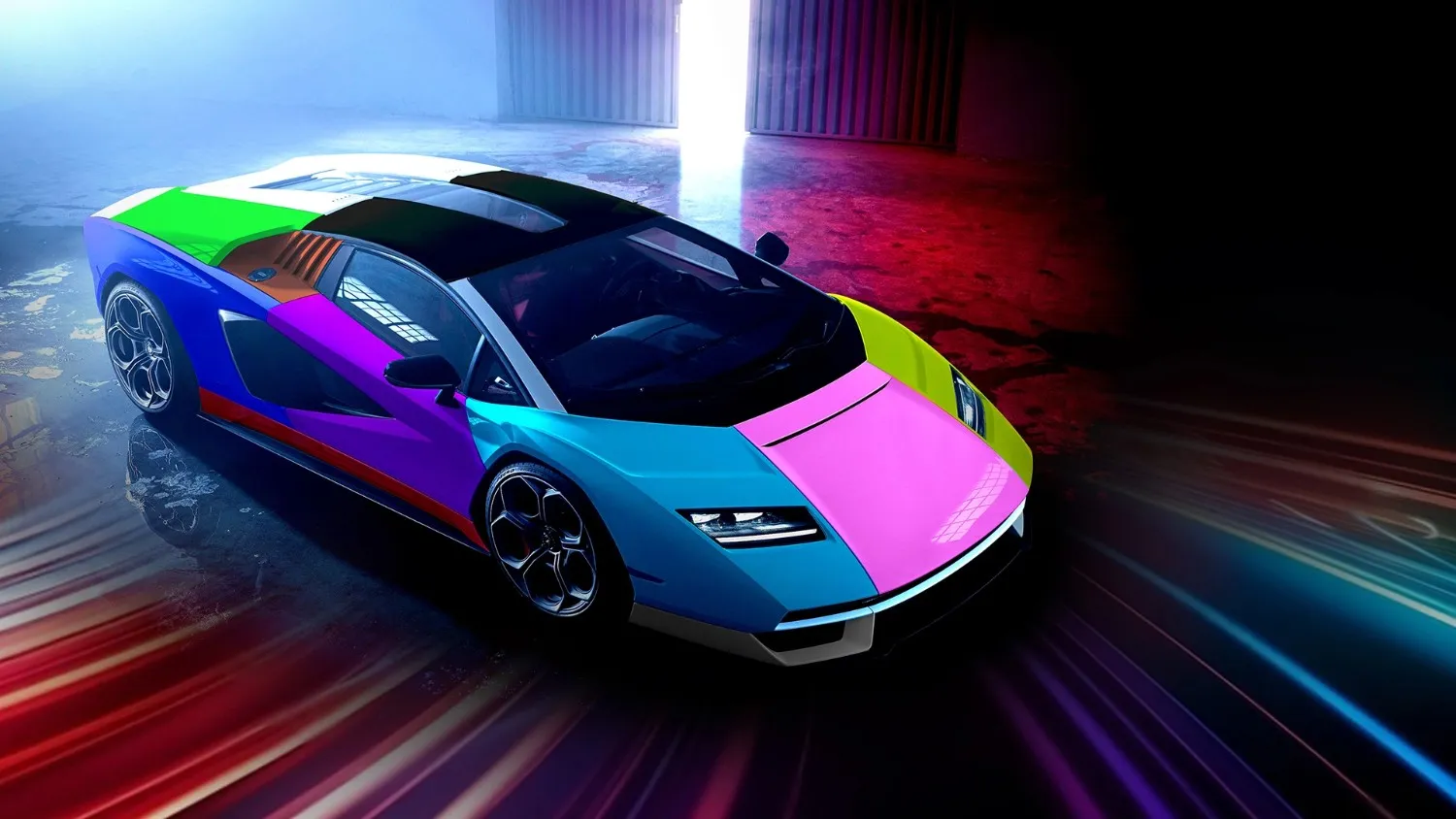
Stage 1: Front-End Essential This is the entry point, and honestly, it covers the zones that matter most. Stage 1 typically includes the front bumper, full hood, side mirrors, A-pillars, and headlights. These are the five surfaces that catch the most direct road punishment on any vehicle, every single day.
Stage 2: Mid-Tier Stage 2 picks up everything in Stage 1 and adds the secondary contact zones: door handles, rocker panels, rear fenders, and often partial door edges. These areas take less direct debris impact, but they absorb road spray, parking lot contact, and grit kicked up by your own tires over time.
Stage 3: Full Coverage Full coverage means the entire exterior is protected, including doors, roof, trunk, and quarter panels. Every painted surface is under film. Nothing is left exposed.
Here's the part that makes the staged approach genuinely practical: when you're ready to move from Stage 1 to Stage 2, a professional installer can add new coverage without disturbing the film already in place, ask your installer to confirm the specifics for your vehicle. You're just adding coverage, not starting over.
Wrapt Auto's coverage options follow this same three-tier structure. Start where your budget is today, and expand when the timing is right.
What Each Stage Actually Protects Against
Now let's look at what each tier is actually stopping.
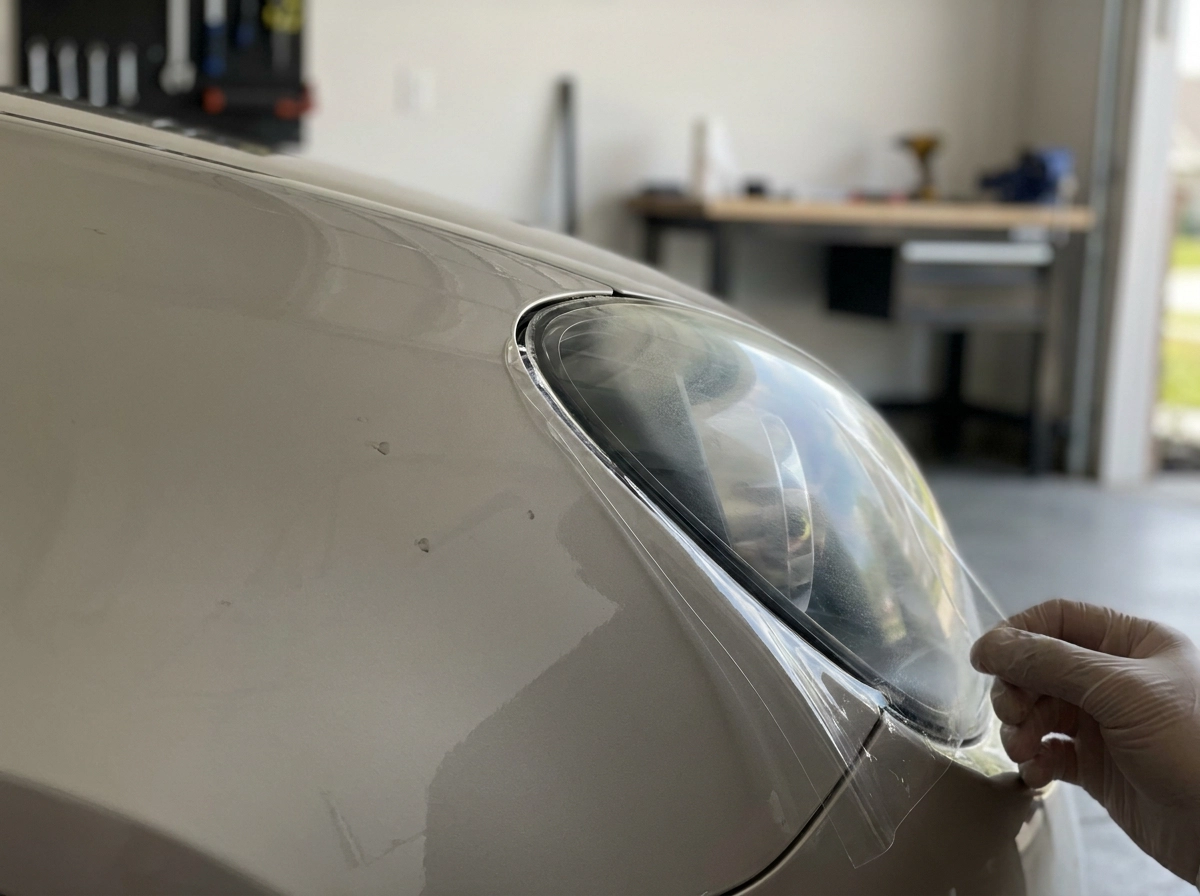
Stage 1 handles the damage that's most expensive and most visible, stone chips, front bumper scratches from road debris, and headlight lens degradation. Stage 1 film blocks all of it.
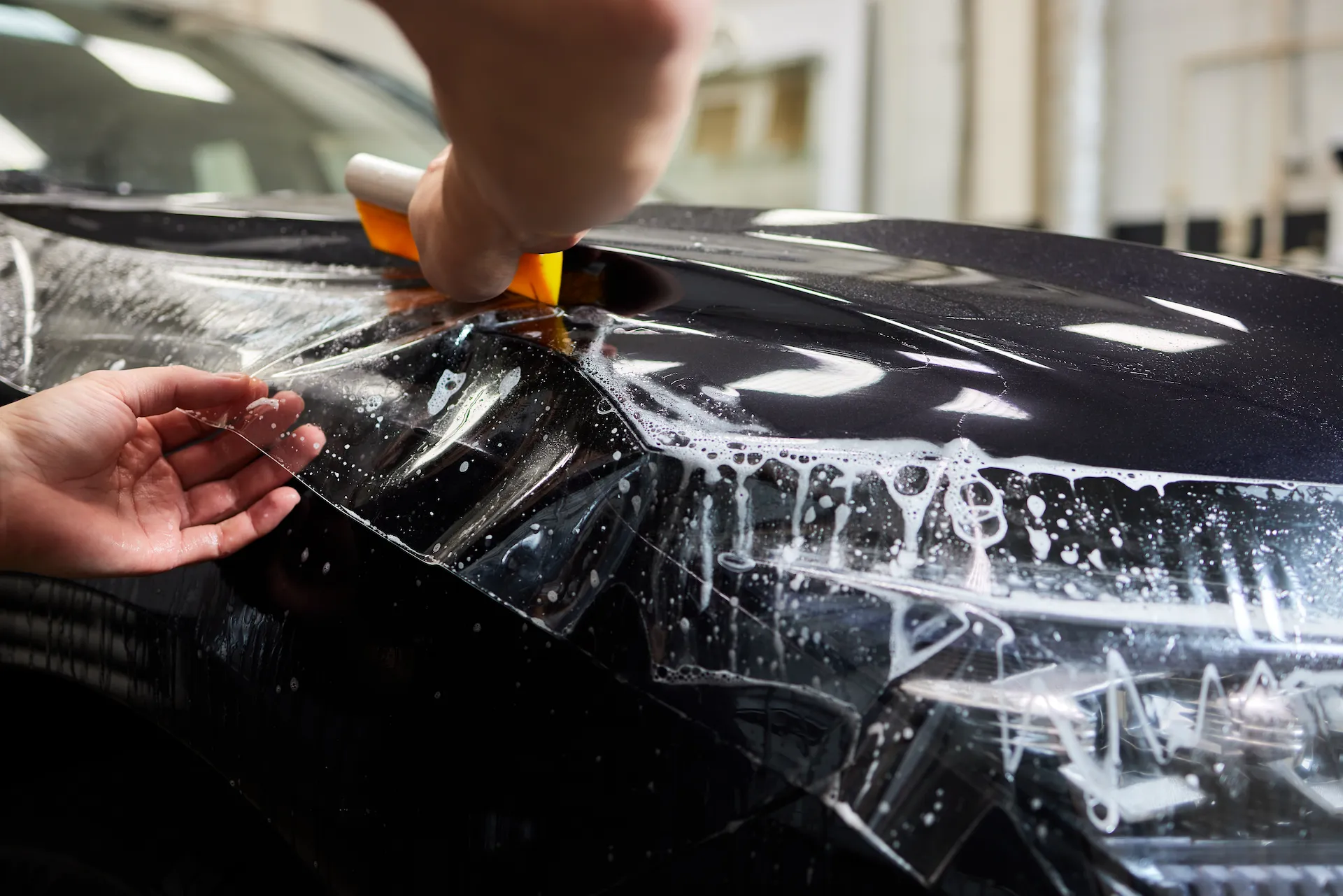
Clear Paint Protection Film at this tier is also self-healing. The film's topcoat is an elastomeric polymer, meaning light scratches and swirl marks close back up with heat, like a warm afternoon in the Texas sun.
Stage 2 shifts focus to secondary contact zones, adding protection against the door dings, curb scrapes, and road spray that build up quietly over years.
Stage 3 covers everything else: UV fading, bird drop etching (bird droppings run pH 3 to 4.5, acidic enough to burn into unprotected paint), tree sap, industrial fallout, and general environmental wear across every panel.
At every stage, you're also protecting resale value. A national dealer survey found PPF can add up to 15% to a vehicle's resale value, and even partial coverage signals to buyers that the owner cared for the car.
Color PPF is available at any tier. Protection and a style upgrade aren't separate decisions if you don't want them to be.
Tell us your make, model, and what you have in mind. We'll give you an exact quote, not a ballpark.
The Financial Logic of Staging Your PPF
So now that you know what each stage protects against, let's talk dollars and sense.
A front-end essential package typically runs a fraction of what full-vehicle coverage costs, yet it covers the zones where the vast majority of paint damage actually happens. The ROI on Stage 1 alone is hard to argue with.
As covered above, deferring protection entirely isn't a neutral choice. A hood respray on a luxury vehicle can run $2,000 to $4,000, and highway driving adds new chips every year. That deferred protection gets expensive fast, often more than the staged install would have cost in the first place.
The other misconception worth clearing up is that staging means paying twice. It doesn't. Each new phase adds onto the existing film. Nothing gets removed, no prep work gets repeated. You're spreading the investment over time, not duplicating it.
For most budget-conscious owners, beginning with Stage 1 and adding Stage 2 when the budget allows is a smarter path than holding out for full coverage while the paint takes hits unprotected.
Resale value is part of the math too. Buyers notice protected paint. Documented PPF coverage, even partial, signals that the owner cared for the vehicle, and cleaner paint holds more negotiating leverage.
Before committing to anything, find out what's included in the price so you can map out all three stages from day one and budget each phase without surprises.
Professional Installation Matters at Every Stage
The financial case for staging makes sense. But the strategy only holds up if every phase is installed right.
Warranty coverage is one of the biggest separators between professional and DIY. With professional installation, each stage carries a warranty from day one. When you add Stage 2 later, that new coverage gets warranted too, cleanly, without complicating what's already on the car. DIY film kits come with none of that. No warranty, no backup, and no recourse if the film starts lifting or bubbling three months in.
Seaming is where amateur work really falls apart. When a trained paint protection film specialist adds a new phase, they know exactly how to edge and overlap the new film against the existing sections. Done right, the transition is invisible. Done wrong, you get raised edges, moisture traps, and a repair bill that cancels out whatever the DIY kit saved you.
Surface prep matters just as much. Before every phase, a professional installer inspects the paint, catches new chips, and clears any contamination that could get sealed under the film. That step gets skipped entirely with a self-install kit.
There's also a practical benefit to working with the same shop over time. When Wrapt knows your vehicle from Stage 1 forward, Stage 2 and Stage 3 go faster. The prep is familiar, the panel history is known, and the work is tighter because of it.
A Note for Truck Owners
Trucks aren't just bigger cars. They get loaded, towed, driven down gravel roads, and backed up to job sites. That kind of use puts paint under stress a daily sedan never sees.
For truck paint protection film, priority zones shift slightly from a standard car plan. As outlined in the damage section above, the front end leads, but trucks add two more critical spots: bed rails and tailgate take constant scratch and impact damage from cargo, and rocker panels catch serious road spray and debris thrown by larger tires at higher ground clearance. Those three areas represent where a truck's paint loses the fight fastest.
The staged approach makes more financial sense on a truck specifically because full coverage on a full-size pickup costs more than on a compact sedan. Starting with the front end and bed area gets the highest protection per dollar right away.
There's also a longer-term reason to move early on truck PPF. Trucks hold resale value well over extended ownership cycles, so protecting the paint from year one means that investment compounds over more time.
If you're weighing PPF against other protection options, our PPF vs. ceramic coating breakdown is worth a quick read before deciding. Wrapt Auto serves vehicle owners across Austin, including truck owners with a range of use cases. Bring yours in and we'll build a stage plan around how you actually use it.
How to Start Your Staged PPF Plan
Ready to get started? Here's how to move from "thinking about it" to actually protecting your paint.
Step 1: Check your paint first. Before any film goes on, take a good look at the surface. Existing chips or scratches need to be addressed before installation. A light paint correction cleans things up so the film adheres properly and doesn't lock in damage underneath. If you're unsure what that involves, here's how paint correction gets the surface ready.
Step 2: Choose your entry point. The front-end essential package is the right starting place for most daily drivers: bumper, hood, mirrors, A-pillars, headlights. That's where the damage hits hardest, and it's the smartest first dollar spent.
Step 3: Get a full three-tier quote, not just Stage 1 pricing. Seeing the complete road map upfront lets you plan the remaining phases around your budget without any surprises down the line.
Step 4: Book the install and stop waiting. There's no perfect time. Your paint is picking up damage right now, and every week you delay is a week the film could have been working.
Step 5: Map out your next phase before you leave the shop. Whether Stage 2 is three months away or a year out, your installer can note it on your vehicle file so the next addition goes on cleanly and seamlessly.
Start Protecting Now, Not Later
Once you've got that plan mapped out, the only move left is to act on it.
The staged approach exists for a simple reason: you don't need full coverage on day one to start winning. Starting with front-end film means the damage that hits hardest and costs the most to fix is already stopped, even while you plan the next phase.
There's no reason to let unprotected days keep adding up while you wait for perfect timing.
Wrapt Auto offers free quotes and responds within one business day. Getting a full staged pricing breakdown takes a few minutes and costs nothing. You'll see exactly what each phase covers and what it costs, so you can plan it out on your own timeline with no pressure.
Whether you're ready to book Stage 1 this week or just starting to map out a full-coverage plan for the next year, the math is the same: the best time to protect your paint is before the next rock chip lands. That could be tomorrow's commute.
Conclusion
Protecting your paint doesn't require a perfect budget or an all-or-nothing commitment. The staged PPF approach works because it meets you where you are financially while delivering real protection where your vehicle needs it most. Front-end coverage handles the hardest hits first, each phase builds logically on the last, and the cost stays manageable across your timeline.
The key takeaways are straightforward: start with high-impact zones, plan your next stage before you leave the shop, and don't let waiting for full coverage mean getting no coverage at all. Every mile driven unprotected is damage you can't undo.