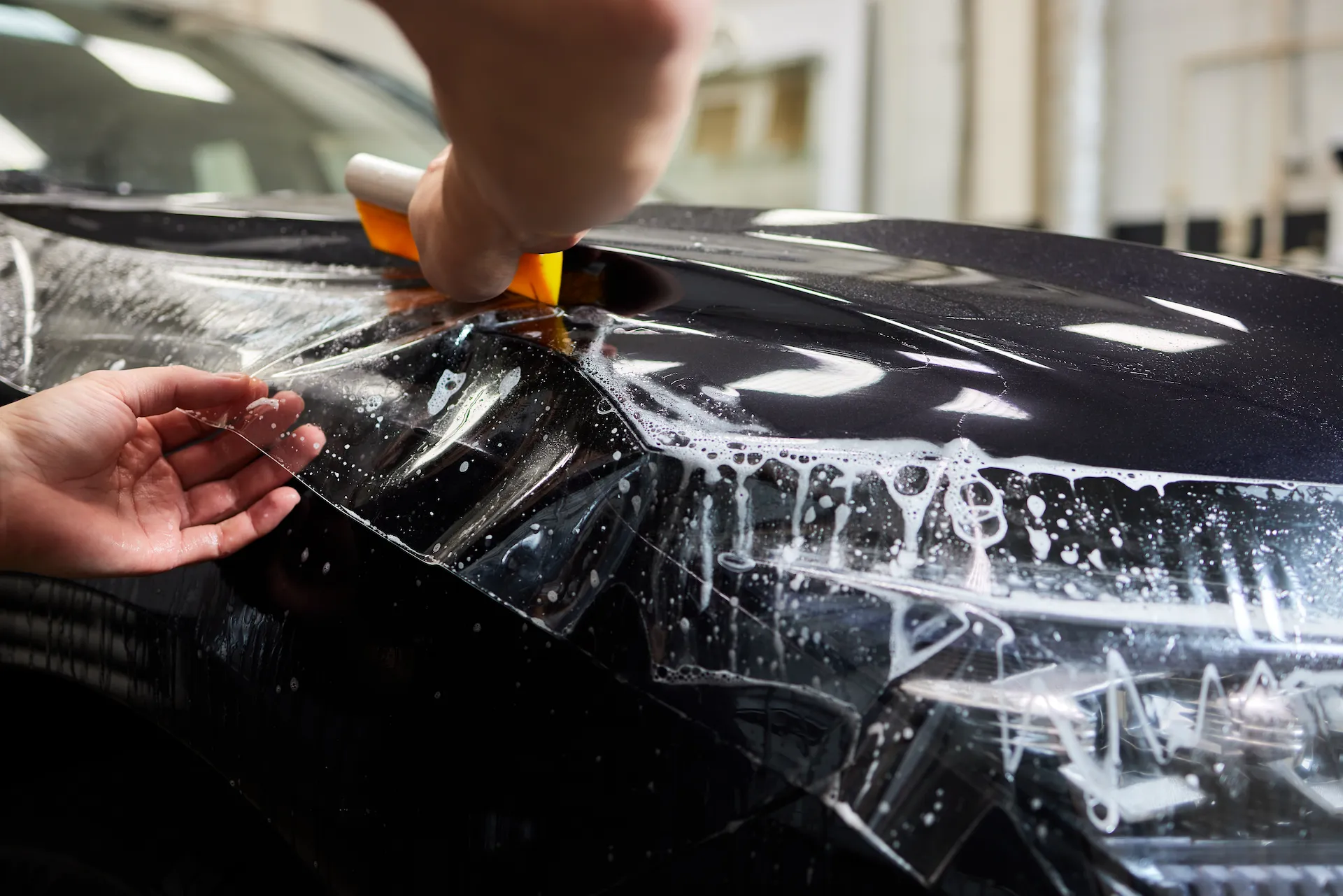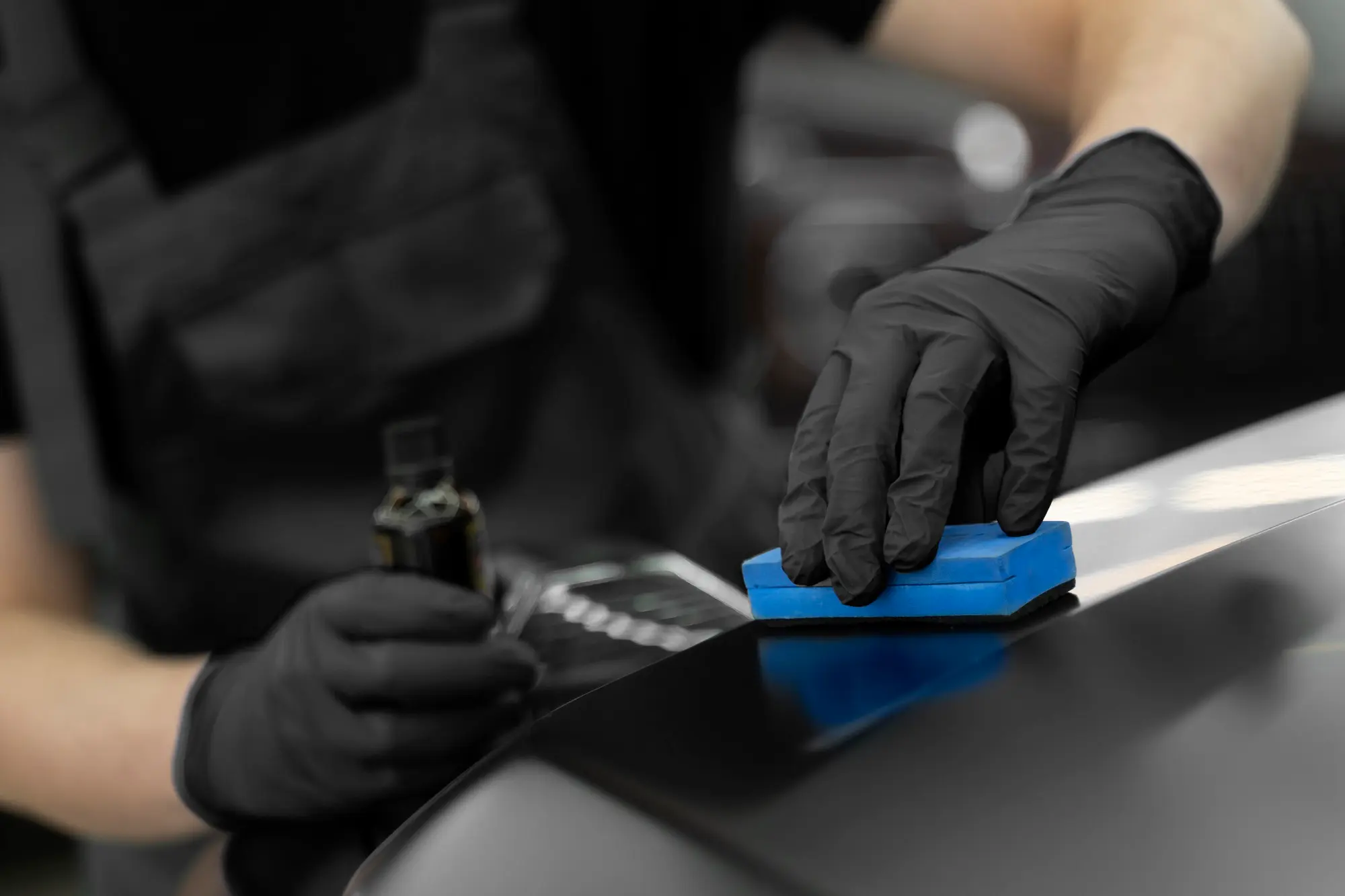
You have probably seen the ads. A ceramic coating goes on, the water beads up perfectly, and the manufacturer promises your paint stays protected for the next decade. It sounds like one of those ceramic coating benefits that is almost too good to be true. Honestly? Sometimes it is.
The 5 to 10 year figure that gets thrown around in marketing materials is a ceiling number built on lab conditions, not a promise backed by real-world driving. What actually determines how long your coating lasts is a combination of three things: which tier of product you choose, how well your paint was prepared before the coating went on, and how consistently you maintain the surface after installation.
In this post, we are going to break all of that down honestly. You will learn the difference between consumer, prosumer, and professional-grade coatings, why paint correction before install matters more than most buyers realize, how your wash routine can make or break longevity, and how to match the right tier to how long you actually plan to keep your car. No inflated claims, just the real numbers.
The 5 to 10 Year Claim Is a Ceiling, Not a Promise
That "5 to 10 years" number on the box is technically possible the same way a 60 mpg fuel economy rating is technically possible: achieved under conditions that have nothing to do with your life.
Manufacturer durability figures typically come from controlled testing that doesn't reflect real-world driving, weather, road chemicals, or regular washing. Your car lives outside, gets driven in January sleet and August heat, and goes through a wash every couple of weeks. Those two realities don't match, and the number doesn't survive the gap.
Real-world data tells a different story. Professionally installed coatings on well-maintained, garage-kept vehicles typically hold up for 3 to 4 years, not 10. That's the honest benchmark, even under good conditions.
Here's what most buyers miss: the gap between a 2-year result and a 9-year result isn't the product in the bottle. It's how well the paint was prepped before installation and how consistently the owner maintains the surface afterward. Two vehicles can get the same coating and land on completely opposite ends of that range based on those two variables alone. More on both in the sections ahead.
Knowing the headline number is a ceiling, not a guarantee, lets you pick the right coating tier for how long you actually plan to keep the car, rather than buying for a decade of protection you'll never see.
If you want the straightforward version of how ceramic coatings actually work before diving into tiers, our ceramic coating page covers the basics without the marketing spin. If you're also weighing a wrap alongside a coating, our vehicle wraps page is worth a look.
Professionals are increasingly vocal that setting honest expectations upfront does more for a customer than whatever the packaging says. That mindset is exactly where this breakdown starts.
The Three Tiers of Ceramic Coating and What They Actually Deliver
So what does that ceiling actually look like by tier? Here's the honest breakdown.
Consumer-grade DIY kits are the most accessible entry point, and the numbers reflect that. In real-world use, many DIY applications don't make it past two years. That's not a knock on the products themselves; it's a skill problem. Application technique, surface prep, and environmental conditions during curing all determine whether you get 18 months of solid protection or something that degrades in under a year. If you want to understand what ceramic coating actually does before picking a tier, is ceramic coating worth it? helps frame the decision.
Prosumer coatings target advanced enthusiasts and semi-pro applicators who know their way around a paint correction. You get meaningfully better chemistry than the consumer kits, and the shelf life shows it. But this tier is still capped by the same variables: how well the surface was prepped and how clean the application was. Better product, same failure modes if the skill isn't there.
Professional-grade coatings (installed by a trained applicator) are where the numbers shift substantially. Professionally installed coatings commonly keep their protective properties for several years, and the realistic range runs from 2 to 7+ years with proper installation. Some professional coating lines are sold only to certified installers and carry written warranty agreements. That structure exists for a reason; it filters out the variables that wreck results at the lower tiers.
The DIY market is saturated with bold claims, but inconsistent real-world results are the norm, not the exception. The skill gap in application is the variable most buyers underestimate when they're shopping on price alone.
As covered above, those two variables, prep and maintenance, are what the tier can't override.
The simplest filter when comparing options: how long are you keeping the car? That single question does more to narrow the right tier than any spec sheet.
Paint Correction Before Install: The Variable Nobody Talks About Enough
Here's something most buyers don't find out until it's too late: the tier you choose matters a lot less than what's under the coating when it goes on.
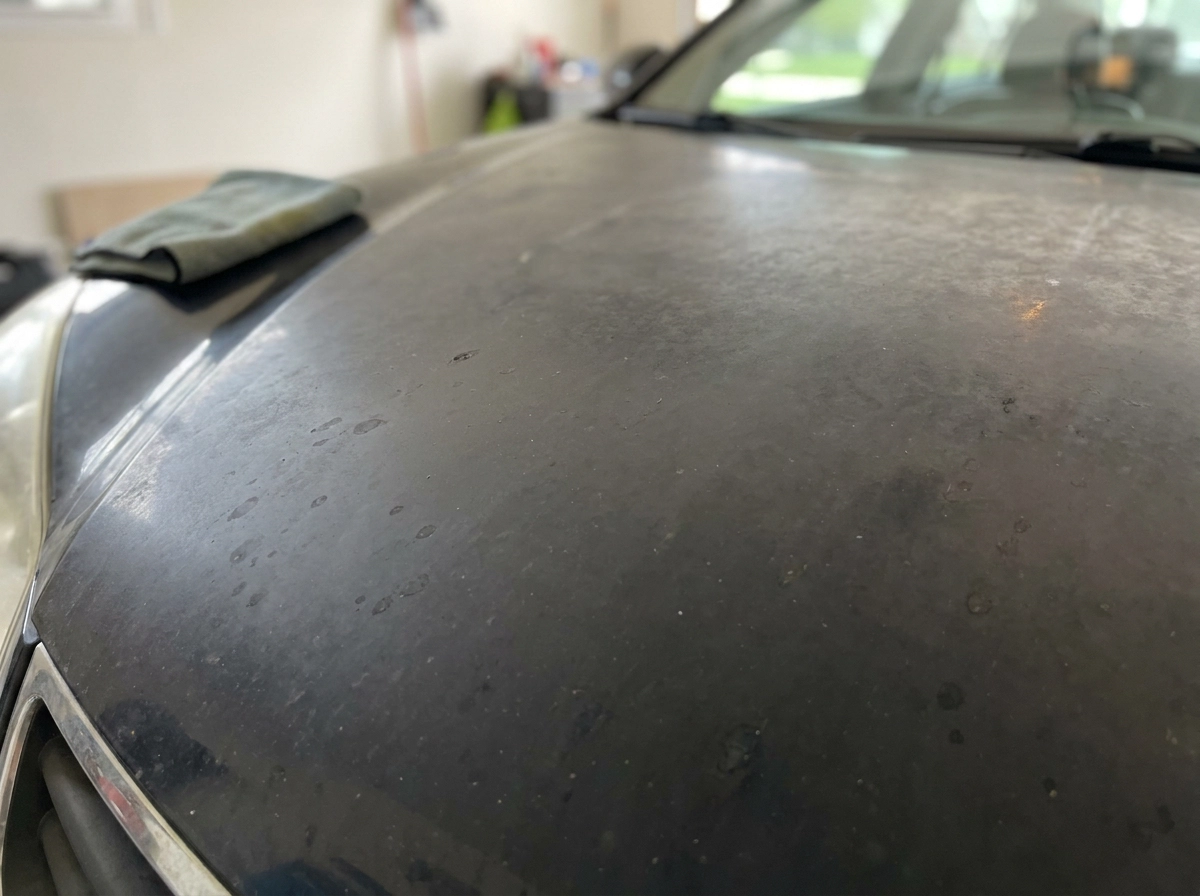
Ceramic coating doesn't fix paint problems. It seals them in. Apply a coating over swirl marks, light scratches, or oxidized clear coat and you've preserved the damage, not hidden it. That coating will still bead water beautifully for a while, but the bond it's making with compromised paint is weaker from day one.
Poor prep is the leading reason coatings fail ahead of schedule, and it's entirely avoidable. A professional-grade product on poorly prepped paint will consistently underperform the same product on a properly corrected surface. The bottle doesn't decide your result. The surface does.
A proper professional prep sequence runs through a decontamination wash and machine polishing before any coating touches the car. If you want to understand how ceramic coating actually creates a protective layer on your paint, the prep is where that story starts.
Before you book anyone, ask one question: what does your prep process include? The answer tells you more about your likely result than any marketing claim ever will.
Tell us your make, model, and what you have in mind. We'll give you an exact quote, not a ballpark.
How Your Wash Routine Either Extends or Kills Your Coating
Good prep gets the coating bonded correctly. What happens after that is entirely on you.
Ceramic coatings are not a set-it-and-forget-it product. Skipping routine care is the fastest way to cut the lifespan in half, regardless of tier. A professional-grade coating that never sees proper maintenance will underperform a consumer kit that gets consistent attention.
The car wash issue is a big one. Automatic washes with brush or cloth contact introduce micro-scratches every pass. Those scratches degrade the hydrophobic layer gradually, and once compromised, water stops beading and the coating stops working. Hand washing with a pH-neutral soap and a clean microfiber mitt is the right approach. It takes more time, but it's the only method that doesn't work against what you paid for.
Beyond washing, periodically add a ceramic maintenance spray to refresh the hydrophobic layer. Professional installers have largely moved away from the old "one application and done" mindset for exactly this reason.
Bird droppings, tree sap, and road salt are all chemically aggressive, and the longer they sit, the more damage they do. Rinse them off as soon as you can. Waiting even a few hours in summer heat can accelerate degradation noticeably.
A well-maintained coating pushes toward the top of its tier's lifespan range. A neglected one lands at the bottom, or below it. That gap is entirely within your control, similar to how consistent care is the real story behind defending your wrap from premature wear too.
What Degrades Your Coating Faster Than Anything
Washing habits matter a lot, but environment and technique can undercut even the most consistent owner. Here is what hits hardest.
UV and high-altitude exposure are brutal on coatings over time. Ceramic coatings contain SiO2 that bonds to your clear coat, but prolonged UV bombardment breaks that bond down gradually.
Road salt is corrosive and its repeated exposure over multiple winters can weaken the protective bond over time. That sustained chemical stress is something warm-weather environmental exposure simply does not replicate.
Improper washing technique, wrong soap, contaminated mitt, aggressive scrubbing, is the most controllable of these degraders and the most common reason owners cut their own lifespan short.
Temperature swings are a slower killer but a real one. Rigid coating formulas expand and contract with the substrate underneath them. In climates with significant daily or seasonal temperature variance, micro-cracking can develop over time and compromise the coating's integrity.
Skipping decontamination during maintenance washes lets iron fallout and brake dust settle into the coating layer rather than getting pulled off the surface. That embedded contamination dulls gloss and chips away at protection with every mile driven.
A Warranty Is the Only Honest Signal in This Market
All of that environmental damage we just covered is real, but here's the thing: none of it matters much if the product you bought never had any real accountability behind it in the first place.
Any coating can print "5 years" on the label. There's nothing stopping that. The only claim that comes with actual skin in the game is one backed by a written warranty with defined terms, specific coverage conditions, and clear language about what voids it.
Many professional-grade ceramic coating warranties are backed by the manufacturer and tied to the installer's credentials, meaning accountability runs deeper than a shelf product. When a professional installer backs the work with a written warranty, someone beyond the marketing department is financially accountable if the coating underperforms.
So when you're comparing options, stop leading with "how many years does it claim?" Start with: what does the warranty actually cover, and what kills it?
Warranties come with maintenance conditions; failing to meet them can void coverage. Always read the fine print before you buy.
How to Match the Right Coating Tier to How Long You Are Keeping the Car
Once you know what a warranty actually means, the next question gets practical: which tier makes sense for your situation?
Ownership horizon is the cleanest filter here.
1 to 2 years: If you're trading the car soon, a consumer-grade DIY kit or a lighter professional application is probably the right call. The ceramic coating benefits at this horizon are straightforward: easier washing and a cleaner presentation at resale. You don't need a seven-year product for a two-year window.
3 to 5 years: This is where professional-grade installation starts earning its price tag. The durability data cited earlier, 22% DIY survival past two years versus 68% professional retention past three, directly maps to this window. Those numbers mean you're far more likely to actually get the protection you paid for when a trained installer does the work.
5+ years: There's really only one path here: professional ceramic coating with thorough prep, a multi-layer approach, and consistent maintenance. This is the tier where the best ceramic coating options live, and skipping any part of that equation puts you well short of the timeline.
Fleet and commercial vehicles: Higher mileage and more variable environments compress lifespan across every tier. Warranty-backed professional coatings offer a better cost-of-ownership calculation than repeatedly reapplying consumer products every 12 to 18 months.
The honest ROI question isn't what you pay on install day. It's total cost over your ownership period, including reapplication. Run that math and professional installation looks better the longer you plan to keep the vehicle. For more on related auto styling investments, check out more from the blog.
The Bottom Line: Match Your Expectations to the Honest Numbers
Here's the short version of everything covered in this post.
The ceiling-not-a-promise framing from the opening applies to every buying decision below. Plan around 3 to 4 years for professional installs and 1 to 2 years for DIY. If your expectations are built on the label claim, you'll be disappointed.
Before you ask any shop about price, ask them what their prep process looks like. The answer tells you everything.
Tier selection should follow your ownership horizon. Short-term ownership favors lighter options; longer ownership justifies the full professional installation. If you're curious how ceramic coating stacks up against other protection choices, this breakdown comparing vehicle wraps and paint protection is worth a read before you commit.
Warranty = accountability; no warranty = marketing, as detailed above.
At Wrapt Auto in Austin, TX, professional ceramic coating is done with Armour PRO Quartz, proper paint prep, and warranty backing included. If you've already decided professional is the right call for your vehicle, a free quote comes back within one business day. That's a pretty low-effort next step for a decision this size.
Conclusion
Ceramic coating can be one of the smartest investments you make in your vehicle, but only when your expectations match reality.
If you are still weighing your options, start by asking shops about their prep process and whether a warranty is included. Those two questions filter out the noise faster than anything else.
At Wrapt Auto in Austin, TX, that conversation starts with a free quote returned within one business day. Protecting your paint is a big decision; getting an honest answer about it should not be.
Frequently Asked Questions
Is the 5-10 year ceramic coating durability claim realistic?
No. The 5-10 year figure is a ceiling achieved under lab conditions, not a real-world guarantee. Professional data shows that professionally installed coatings on well-maintained vehicles typically last 3-4 years, not 10. The actual lifespan depends on paint prep quality, maintenance consistency, and environmental conditions, not just the product itself.
What's the difference between consumer, prosumer, and professional-grade ceramic coatings?
Consumer-grade DIY kits are the most affordable but have inconsistent results, only 22% lasted past two years due to application skill gaps. Prosumer coatings offer better chemistry for advanced enthusiasts but still depend heavily on prep and technique. Professional-grade coatings installed by trained applicators show the best results, with 68% retaining protective properties for at least three years and realistic lifespans of 2-7+ years.
Why is paint preparation before ceramic coating installation so important?
Ceramic coating seals whatever condition your paint is in, it doesn't fix existing damage. If swirl marks, scratches, or oxidized clear coat are present before application, the coating bonds to compromised paint from day one, resulting in a weaker protective layer. Poor prep is the leading reason coatings fail prematurely, regardless of product tier. Professional prep includes decontamination washing and machine polishing before any coating is applied.
How should I wash my car to maintain a ceramic coating?
Avoid automatic car washes with brushes or cloth contact, as they introduce micro-scratches that degrade the hydrophobic layer. Instead, hand wash with pH-neutral soap and a clean microfiber mitt. Additionally, rinse off bird droppings, tree sap, and road salt as soon as possible, use ceramic maintenance sprays periodically to refresh the hydrophobic layer, and never skip decontamination washes to prevent embedded iron fallout and brake dust from settling into the coating.
How do I choose the right ceramic coating tier for my situation?
Base your decision on how long you plan to keep the vehicle. For 1-2 years, a consumer DIY kit is sufficient. For 3-5 years, professional-grade installation becomes worthwhile, the data shows significantly better durability than DIY options. For 5-10 years, only professional ceramic coating with thorough prep, multi-layer application, and consistent maintenance will deliver the protection needed. Always verify the warranty terms before committing, as warranty coverage indicates genuine accountability behind the product.