Every detailing shop, auto forum, and YouTube channel has a take on ceramic coating. Some treat it like the second coming of paint protection. Others call it an overpriced wax job. The truth is more straightforward than either side wants you to believe.
Ceramic coating is worth it for drivers who actually care about their vehicle's paint — and Austin is about the worst climate in the country for unprotected clear coat. If you're on the fence, let's work through what the product does, what it costs, and whether it makes sense for your specific situation.
What Ceramic Coating Actually Does
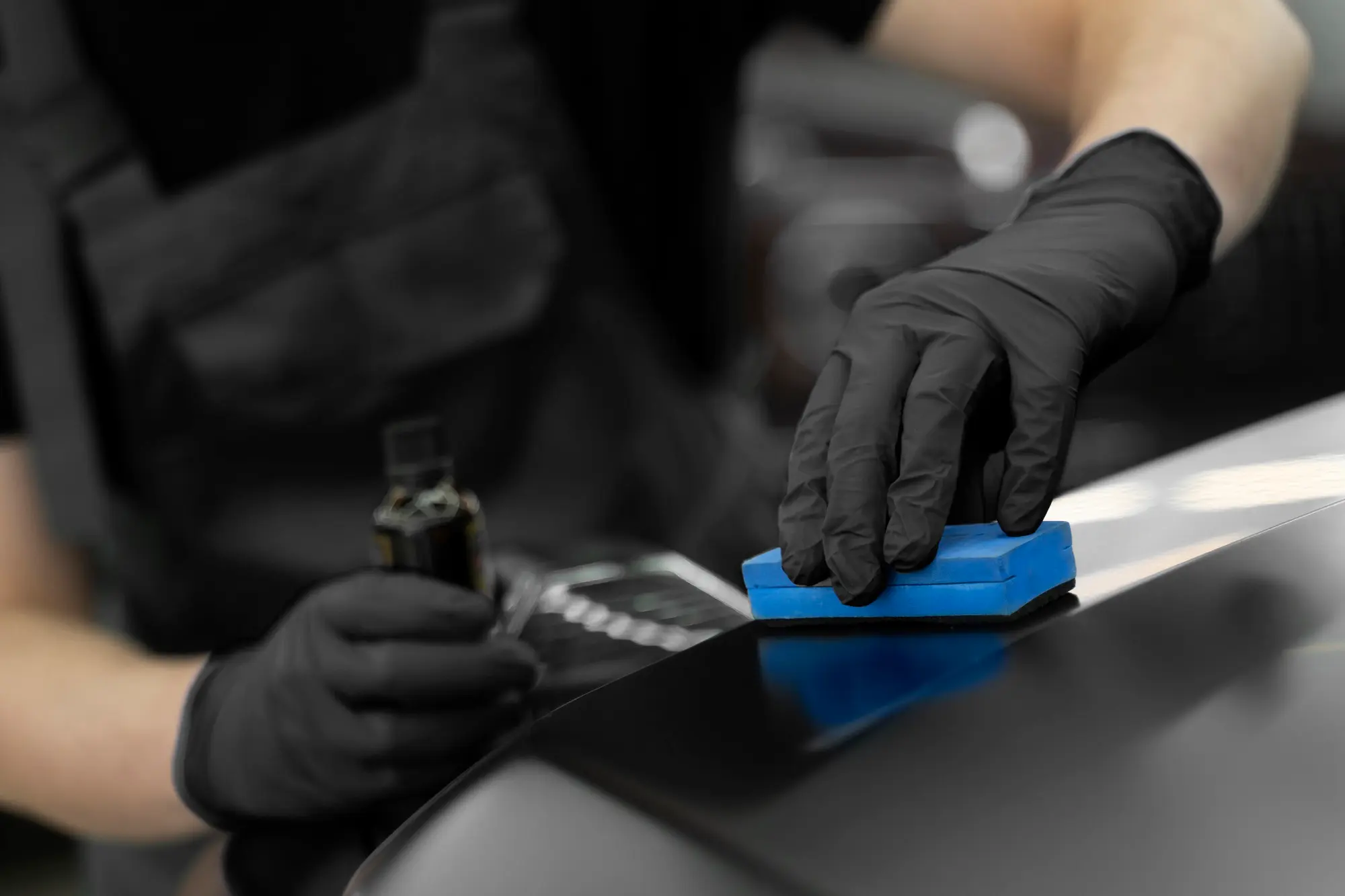
A professional ceramic coating is a liquid polymer that bonds chemically to your paint at a molecular level. Once cured, it forms a layer with 9H hardness — harder than your factory clear coat — that does a few things nothing else can match.
- Hydrophobic surface: Water beads up and rolls off, carrying road grime and contaminants with it. Your car rinses cleaner in the rain than most washed cars do at a full car wash.
- UV protection: The coating acts as a UV barrier, slowing the oxidation and fading that Austin's sun accelerates on unprotected paint.
- Chemical resistance: Bird droppings, bug acids, and tree sap are highly corrosive — especially when baked into paint by 100-degree heat. Ceramic resists these before they can etch through your clear coat.
- Enhanced gloss: A quality coating adds depth and clarity that makes your paint look better than the day you bought it.
What It Doesn't Do
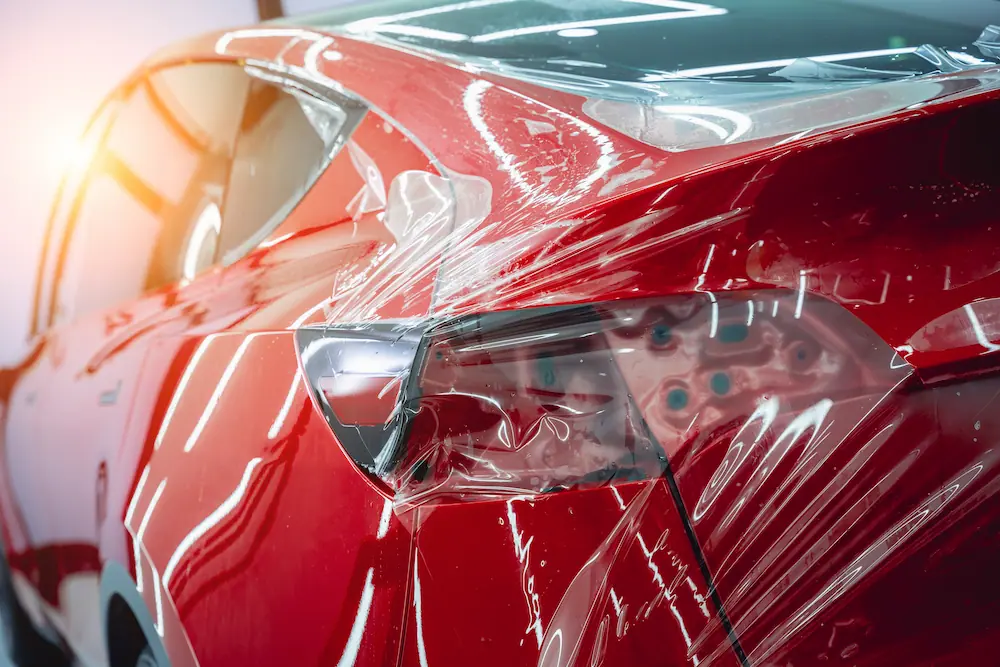
Ceramic coating does not stop rock chips or physical impacts. That's PPF's job — a completely different product. If someone tries to sell you ceramic coating as chip protection, walk out. A microscopic bonded layer cannot absorb a piece of gravel moving at 70 mph. If chip protection is your priority, read our breakdown of PPF vs. ceramic coating first.
Why Austin Makes the Case for Ceramic
Austin averages over 300 days of sunshine per year. That's not a selling point for your paint — it's a threat. Intense UV exposure is the number one cause of paint oxidation, fading, and clear coat failure, and it hits black, red, and deep-colored vehicles especially hard.
Add the heat. When bird droppings or tree sap land on a hot Austin hood, the acids activate fast. On bare paint, you have maybe a day or two before the damage is permanent. On a ceramic-coated surface, the contaminants sit on top of the coating rather than etching into the clear coat. You wipe them off. Problem solved.
Wax provides maybe six to eight weeks of that kind of protection in this climate. Ceramic provides years.
The Paint Correction Question
Here's where a lot of ceramic installations go wrong, and where we won't cut corners. Ceramic coating amplifies everything under it — including defects. If your paint has swirl marks, fine scratches, or oxidation and you lock them under a ceramic coating, they're now permanently magnified under a glass-like layer.
We assess every vehicle before we recommend a coating. Brand new cars can have defects from the factory and the dealer lot. If your paint needs correction first, we'll tell you — and we offer paint correction starting at $399 to give the coating a flawless surface to bond to.
A shop that skips this conversation isn't doing you any favors.
How Long Does It Last?
In Austin's climate, a professionally applied coating holds up well if you maintain it correctly. Here's what to expect from our two packages:
| Essential Shine | Ultimate Shield | |
|---|---|---|
| Protection | 3+ years | 5+ years |
| Starting price | From $600 | From $1,200 |
| Hydrophobics | ✓ Excellent | ✓ Exceptional |
| UV resistance | ✓ Strong | ✓ Maximum |
| Surface hardness | 9H quartz | Higher solids — harder surface |
| Best for | Daily drivers, newer vehicles | Luxury, exotic, long-term ownership |
Longevity depends heavily on maintenance. Wash with a pH-neutral soap. Stay out of automatic brush washes. A ceramic maintenance spray once or twice a year extends the coating significantly. Do those things and the numbers above hold up.
What Does It Actually Cost?
Our Essential Shine package starts at $600 for a single-layer quartz coating. That's a professional application, decontamination wash, clay bar and iron removal, and a 12-month craftsmanship warranty.
The Ultimate Shield starts at $1,200. It uses a higher-solids professional coating system — harder surface, longer longevity, and the hydrophobics are noticeably better. For a vehicle you're planning to keep and care about long-term, this is where most of our clients land.
Break that math down: $1,200 over five years is $240 a year, or about $20 a month. Compare that to wax jobs every two months at $30–50 each, plus the time, plus the fact that wax provides almost no UV protection. Ceramic wins on economics before you even factor in what it does for your paint's long-term condition and resale value.
Who Should Get It
Ceramic coating is a strong investment if you check any of these boxes:
- You drive a vehicle worth $30,000 or more and plan to keep it
- You hate washing your car but care that it looks clean
- You park outside every day in Austin heat
- You've already spent money on PPF and want maximum protection on the rest of the vehicle
- You're about to sell and want to present the paint at its best
Who Might Skip It
If your car is older with heavy existing paint damage that you're not correcting first, ceramic isn't going to help — it'll just lock in the mess. And if your paint is already severely faded or oxidized, correction may not fully recover it before coating. We'll always give you an honest assessment before recommending anything.
We'll take a look and give you a straight answer — no obligation, no pressure.