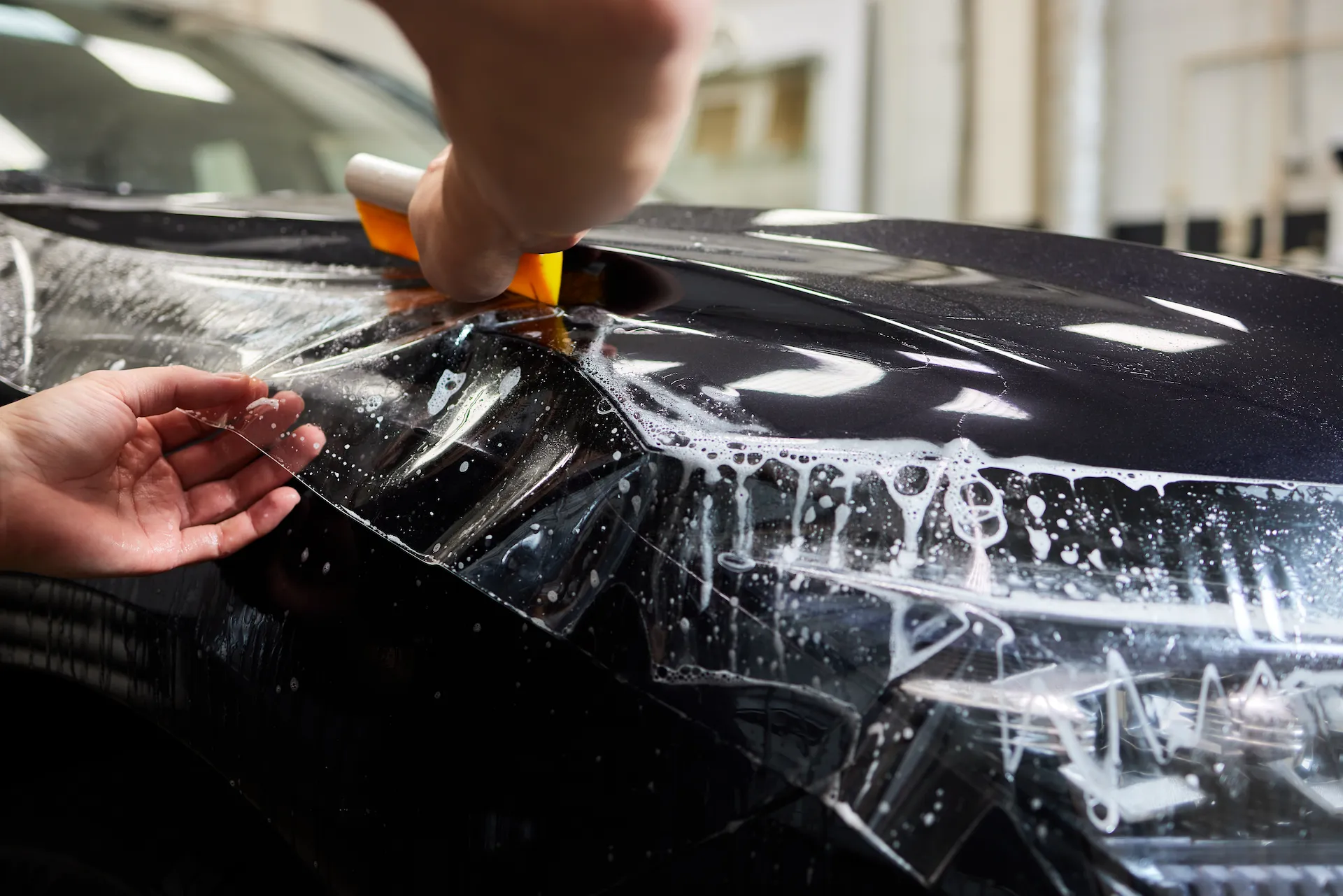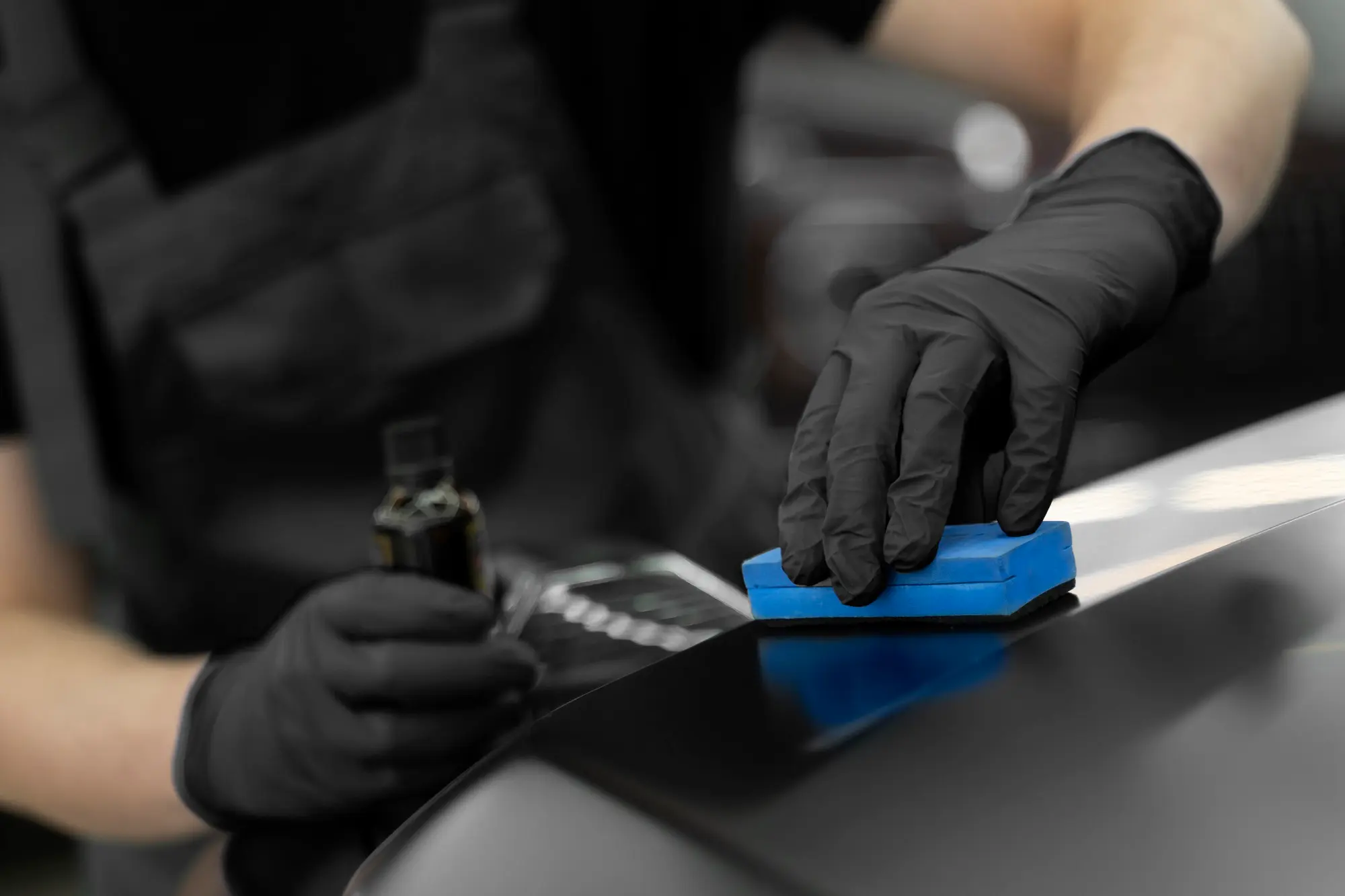
You just spent good money on a professional ceramic coating service, and the last thing you want is to accidentally ruin it before it even finishes curing. Here's the thing most people don't realize: the coating's long-term performance isn't just about the installation. It's about what you do (and don't do) in the 30 days that follow.
That first month is a critical window. The coating is actively forming a chemical bond with your paint, and the wrong move, like a quick rinse after a muddy drive or a trip through the automated car wash, can compromise that bond before it's fully set.
The good news? Taking care of a freshly coated vehicle isn't complicated once you know the rules. In this guide, we'll walk you through exactly what to expect week by week, what to avoid throughout the entire 30-day period, how Austin's climate plays a role in your cure, and how to protect your warranty coverage along the way. By the end, you'll know precisely how to give your ceramic coating the best possible start.
Why the First 30 Days Make or Break Your Ceramic Coating
When a professional ceramic coating goes on your car, the job isn't actually finished. The coating needs time to fully bond to your clear coat through a chemical process called cross-linking, and that process keeps happening for days to weeks after your installer hands you the keys.
Think of it like epoxy. You can pick it up before it fully sets, but the bond will never be as strong as it would have been if you had just waited. Same principle here.
A product like Armour PRO Quartz lays the foundation during installation. What happens after is on you. The coating's final hardness, gloss, and water-beading performance all depend on how you treat it during this 30-day window.
There are two ways owners unintentionally wreck a fresh coating:
- Water contact too early. Moisture gets under the bond while it's still forming and destabilizes it.
- Wrong products. Harsh chemicals or wax-based soaps disrupt the surface layer before it fully hardens.
Neither failure happens dramatically. The coating just quietly underperforms, and you never get the result you paid for.
Days 1 Through 7: Full Water and Contact Blackout
The first seven days are when your coating is most exposed. The cross-link bond is actively forming, and anything that disrupts it during this window can compromise the final result permanently.
Here is what that means in practice:
No water. No wiping. No contact of any kind. Not a rinse, not a quick wipe-down, not even a damp microfiber on a dusty panel. A damp cloth on an uncured surface can leave marks or shift the bond where it has not yet fully set.
Water exposure does not just interrupt the cure, it gets trapped in it. Rain, morning dew, sprinklers, and heavy fog can cause water spots that harden into the coating as it sets around them. Those spots do not wash off later because they are sealed in.
If you cannot guarantee a dry week, keep the vehicle in a covered garage or climate-controlled space. In Austin, afternoon thunderstorms can roll in fast, so this is worth planning ahead.
Contamination is the other threat. If a bird dropping or tree sap lands on a panel, use a clean, dry microfiber and gently lift it off. No liquid.
The hard nos for the entire first week:
- No drive-through car washes
- No self-serve spray bays
- No parking under trees
Think of it the same way you would defend your wrap from environmental damage: the first step is simply keeping threats away while the protection sets up.
Days 7 Through 14: The Coating Is Hardening but Still Not Done
You made it through the hardest week. But do not mistake progress for done.
Industry guidance from professional coating manufacturers points to a 2 to 3 week curing window, which means week two is still not wash time. The coating is hardening, not hardened.
What changes in week two: Light incidental water exposure is less likely to cause serious damage than it was on day three. But "less likely" is not the same as "no risk." If the car gets wet and dries in direct sun, you can still end up with water spots locked into the surface as it finishes hardening.
If it does get rained on: Move the car to shade and let it air dry on its own. Do not wipe it down, and do not use a squeegee. Any friction right now works against the cure.
Brush washes remain off-limits, physical scrubbing is damaging at any cure stage.
Spot cleaning is okay if something lands on the paint. Bird droppings, bug splatter, and tree sap are all acidic. Use a pH-neutral detail spray and a soft microfiber to lift it gently. Do not let anything acidic sit for more than a day or two.
When possible, keep the car out of direct sunlight this week. Uneven heat cycles can cause the coating to harden inconsistently, especially in humid conditions. Have more questions about what is safe right now? Send us a message.
Days 14 Through 30: Cure Completion and Your First Maintenance Wash
Most professional-grade coatings approach full cure within 2–3 weeks depending on temperature and humidity. Follow the specific timeline Wrapt Auto provided at pickup for your first wash clearance. If you want to understand what the coating is doing at this stage, our guide on what ceramic coating actually does breaks it down clearly.
Your First Maintenance Wash: Step by Step
What you need: Two buckets, pH-neutral automotive soap, a clean wash mitt, and a microfiber drying towel.
- Hand wash only, as noted above, no automatic or touch-based systems.
- Set up two buckets. One with pH-neutral soap and water, one with clean rinse water. Wash one panel, dip the mitt in the rinse bucket, then return to the soap bucket. This keeps grit out of your wash water.
- Use the right soap. pH-neutral means sticking to soaps labeled pH-neutral and avoiding strongly acidic or alkaline cleaners. Avoid anything with wax, sealant, or labeled all-in-one. Those leave a film on the ceramic and cut into its hydrophobic performance.
- Wash in the shade. The surface should be cool to the touch. Soap dries fast on a warm panel in direct sun and leaves spots baked in.
- Dry with a blotting motion. Pat or blot with a clean microfiber towel. Do not drag it across the surface. Dragging introduces fine scratches on a freshly cured coating.
Washing every two weeks keeps contamination light and manageable. Wait longer and things start bonding to the surface in ways that require more aggressive cleaning to fix.
What to Avoid the Entire 30 Days (Not Just the First Week)
Beyond the first-wash rules, there are a handful of things you need to avoid for the full 30 days, no exceptions.
- Automatic brush washes, at any point during the 30 days, and beyond. Abrasion from bristles and cloth strips leaves swirl marks on a high-gloss ceramic finish.
- Wax, paint sealant, or any "all-in-one" product. These sit on top of the ceramic layer and block the hydrophobic effect you paid for. The whole point of the coating is to repel water on its own; adding product on top defeats that.
- pH-unbalanced soaps. Strongly acidic or alkaline cleaners can degrade the coating prematurely. Most dish soaps and household all-purpose cleaners fall outside that safe range. Stick to dedicated automotive soap labeled pH-neutral.
- Parking under trees. Tree sap and leaf tannins are among the most common causes of early etching on a fresh coating. If you have a garage, use it.
- Leaving bird droppings, bug splatter, or pollen to sit, spot clean promptly, as covered in the week-by-week sections above.
- Petroleum-based or solvent-based products near the paint. These break down the coating chemistry even after it has fully cured, so this one has no expiration date.
- Washing on a warm surface or in direct sunlight, a rule that applies beyond the cure window too.
Tell us your make, model, and what you have in mind. We'll give you an exact quote, not a ballpark.
A Note on Austin's Climate and What It Means for Your Cure
All of that applies everywhere. But if your car lives in Austin, there's one more layer worth understanding.
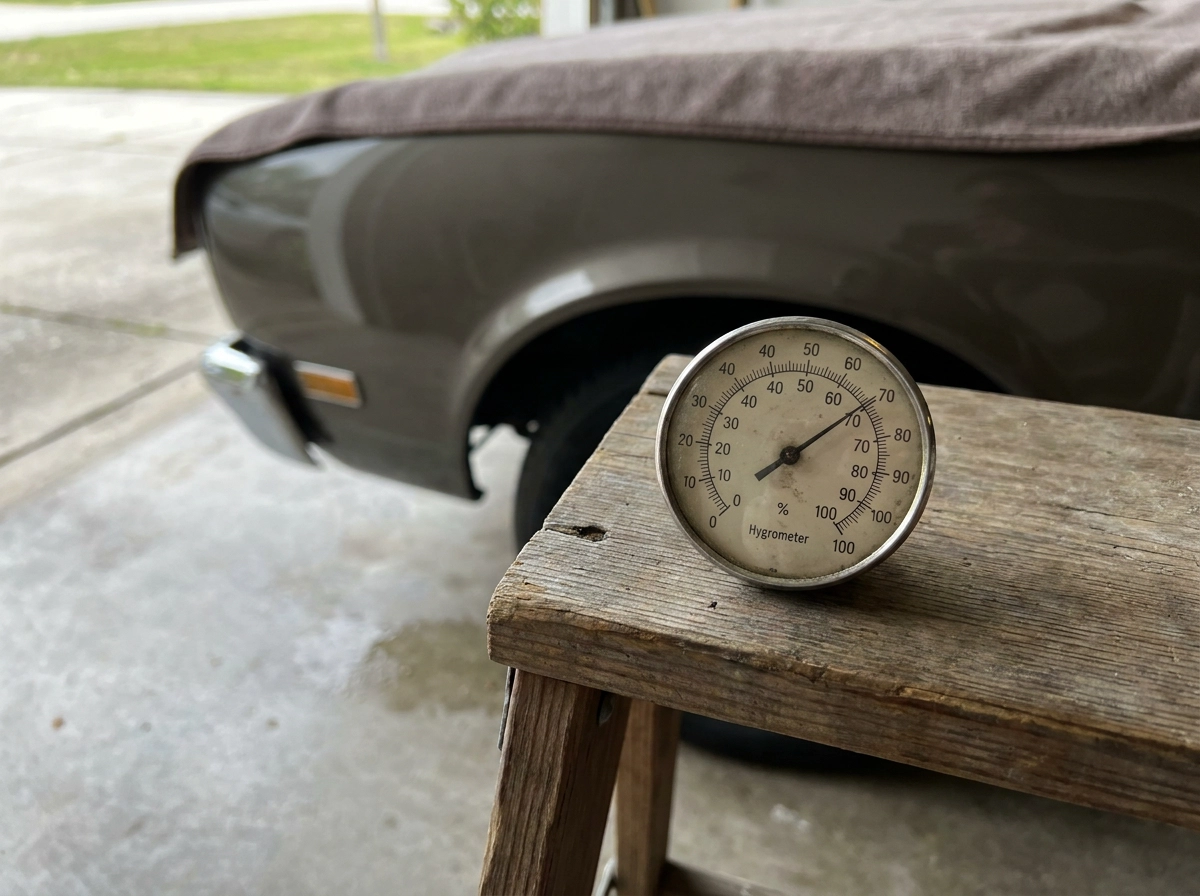
Austin summers combine heat and humidity in ways that can slow the deeper hardening process, conditions that feel milder in fall. That's why the Wrapt Auto team gives you specific post-care instructions at pickup rather than a generic timeline. A coating applied during a humid stretch needs more patience.
If your car was coated during a high-humidity period, wait closer to 3 weeks before the first wash rather than pushing it at 2. The conservative call is always the right one.
Keeping the car in a garage during the cure window also helps. In a Texas summer it's not just about avoiding rain. It's about limiting the heat cycling from a car sitting in direct sun all day and cooling overnight. That repeated expansion and contraction stresses a coating that's still hardening.
Where you park during these first few weeks genuinely matters. For more on keeping your vehicle protected year-round, browse more from the blog.
The Real Talk: What Actually Happens If Something Goes Wrong
The guidelines are strict because the risk is real. That said, not every accidental water exposure means your coating is finished.
Brief, passive water exposure is far less damaging than prolonged contact, standing water drying in direct sun, or physical agitation while the bond is still forming.
If your car gets caught in rain during the first week, stay calm and don't grab a towel. Move it to a shaded spot and let it air dry completely without touching the surface. No wiping, no squeegee, no blotting. Just let it sit.
What you're actually risking with early water exposure isn't a coating that fails overnight. It's one that quietly underperforms: water spots permanently locked into the surface, hydrophobic performance that never reaches its potential, or a coating that wears down sooner than it should.
You paid for professional ceramic coating installation and a quality product like Armour PRO Quartz. Don't shortcut the 30 days and leave results on the table. The same thinking applies to any protection investment, whether it's a coating or even decisions like whether your paint is ready for a wrap. Do it right or don't bother.
What This Means for Your Warranty Coverage
All of that matters for your warranty coverage, not just your coating's performance.
Wrapt Auto backs its ceramic coating work with a warranty, and following the aftercare instructions you receive is part of keeping that coverage valid. Follow it, and the warranty works for you. Skip it, and you may void your coverage without realizing it.
Washing during the cure window, using harsh products, and running through an automatic brush wash are all things to avoid, as covered in the avoidance section above.
None of those feel like a big deal in the moment. That is exactly why they come up so often.
If you are unsure whether something you did during the first 30 days caused a problem, reach out before you assume the worst. Early intervention is almost always fixable; waiting rarely helps.
Wrapt Auto goes over aftercare with you at pickup. If you lost yours or have a question, tell us about your ride and someone will get back to you fast.
The warranty protects your investment. The aftercare protects the coating. You need both to get the full benefit of either.
After the 30 Days: Keeping the Best Ceramic Coating Results Long-Term
Once the 30 days are behind you, keeping a ceramic coating in great shape is genuinely low effort. You just have to stay consistent.
Keep to the bi-weekly, pH-neutral, two-bucket hand wash routine established above, consistency is what prevents contamination from bonding and keeps long-term cleaning gentle.
Skip anything that claims to add shine or protection on top. Waxes, spray sealants, and all-in-one products clog the surface and kill the hydrophobic beading that makes a coated car so satisfying to drive in the rain. Ceramic already handles gloss and protection. If you've ever wondered whether you can wax a vinyl wrap, the same logic applies: adding layers on top of a protective coating usually does more harm than good.
Watch how water behaves on the paint. Strong, tight beading signals a healthy coating. Sluggish beading or a dull finish in certain light is worth a professional look sooner rather than later.
A periodic check with Wrapt Auto can catch early degradation before a small issue becomes a costly one.
The 30 Days Are Worth It
The maintenance routine covered above only works if the coating underneath it is solid. That starts with respecting the cure window.
Think of the 30 days less as a restriction and more as the final step in getting everything you paid for. The installer did their part. This part is yours.
The week-by-week protocol and full avoidance list are detailed in the sections above, re-read them before doing anything to the car.
If you are in Austin and Wrapt Auto did your coating, you already have a specific aftercare sheet. Read it before you do anything else. If something is unclear or you lost it, just reach out. One message gets you the answers you need.
Do this right, and the coating performs exactly as warranted: better gloss, stronger protection, and paint that stays cleaner longer. That is the return on the investment you made.
Conclusion
Ceramic coating is one of the smartest investments you can make in your vehicle's appearance and long-term protection. But the coating only delivers on that promise if the cure window is respected.
Respect the cure window and the coating will deliver exactly what you invested in.
If you are in Austin and ready to get started, or if you have questions about protecting a coating already on your car, reach out to Wrapt Auto today. Give your coating the cure it deserves, and it will deliver results that last for years.
Frequently Asked Questions
Can I wash my car if it gets rained on during the first 7 days after ceramic coating?
No, you should not wash it. If your car gets caught in rain during the first week, move it to a shaded spot immediately and let it air dry completely without touching the surface. Do not wipe, squeegee, or blot it. Water exposure during this critical window can trap water spots into the coating as it sets, and these spots will be permanent and won't wash off later.
When can I safely wash my ceramic-coated car for the first time?
Most professional-grade coatings, including Armour PRO Quartz, approach full cure within 2–3 weeks depending on temperature and humidity. You should follow the specific timeline provided by your installer at pickup. When you do wash, use only a hand wash method with two buckets, pH-neutral automotive soap, a clean wash mitt, and a microfiber drying towel. Always wash in the shade on a cool surface.
What products should I avoid using on a freshly ceramic-coated vehicle?
Avoid automatic brush washes, wax, paint sealants, any 'all-in-one' products, pH-unbalanced soaps (anything below 5.0 or above 9.0), petroleum-based or solvent-based products, and harsh chemicals like dish soap or all-purpose cleaners. These products either introduce abrasion that causes swirl marks or create a film on top of the ceramic that blocks its hydrophobic properties and defeats the purpose of the coating.
How does Austin's climate affect ceramic coating cure time?
Austin summers combine heat and humidity in ways that can slow the deeper hardening process. If your car was coated during a high-humidity period, you should wait closer to 3 weeks before the first wash rather than pushing it at 2 weeks. Additionally, limit heat cycling by keeping the car in a garage during the cure window, as repeated expansion and contraction from sitting in direct sun all day and cooling overnight can stress a coating that's still hardening.
What can happen if I don't follow the 30-day aftercare protocol for my ceramic coating?
Not following the protocol can void your warranty coverage, which typically has conditional terms based on the 30-day curing protocol. Additionally, the coating may quietly underperform rather than fail completely, resulting in water spots permanently locked into the surface, hydrophobic performance that never reaches its potential, or a coating that starts peeling sooner than it should. Early intervention is almost always fixable, but waiting rarely helps, so contact your installer if you're unsure about something you did during the first 30 days.