A vehicle wrap and a quality paint job are not competing options. They solve different problems. If you want to change your car's color, protect the factory paint, and keep the option to reverse it later, a wrap is almost certainly the right call. If your paint is failing and needs to be saved, you need paint first. Here is the honest breakdown from someone who has been doing this for over a decade and has installed wraps on more than 1,000 vehicles.
Wrap vs. Paint: The Quick Comparison
| Vehicle Wrap | Quality Repaint | |
|---|---|---|
| Starting cost | $3,200+ | $5,000+ |
| Lifespan | 3–5 years (Texas) | Indefinite |
| Reversible | Yes | No |
| Effect on factory paint | Protects it | Replaces it |
| Resale impact on luxury vehicles | Positive if removed in time | Typically negative |
| Custom designs | Unlimited | Very limited |
Is It Cheaper to Wrap or Repaint a Car in Austin?
A full color change wrap on a sedan starts at $3,200. A quality repaint from a reputable shop starts around $5,000 and climbs quickly depending on bodywork required, color, and finish. Budget chain shop repaints run under $3,000.
People often line up that under-$3,000 repaint next to a wrap and call it a fair comparison. It is not. A budget repaint permanently changes your car's color with no protective benefit and no reversibility. A wrap changes the color, protects the factory paint underneath, and comes off when you are ready. They belong in different categories entirely and should not be evaluated as equivalent products.
Which Lasts Longer?
A quality paint job, maintained properly, lasts the life of the vehicle. A wrap in Texas conditions lasts three to five years. That does not make a wrap the inferior choice. It makes it a different kind of product. You are not replacing your paint. You are adding a layer on top of it that changes your car's look while the factory paint stays protected underneath.
Material makes a significant difference. Solid color films from brands like KPMF and Orafol hold up better in Texas heat than high-metallic-flake satin finishes from 3M or Avery Dennison. The metallic content in satin films shows wear earlier. Cheap imported films, brands like Tinybot and Aura being common examples, will not get close to that range. UV is the primary killer. Vinyl is still a plastic at the end of the day, and Texas sun is relentless.
If your car lives outside in direct sun every day, plan toward the shorter end of that window. Garage-kept vehicles hold up significantly longer and require considerably less maintenance to stay looking right.
Does a Wrap Protect the Paint Underneath?
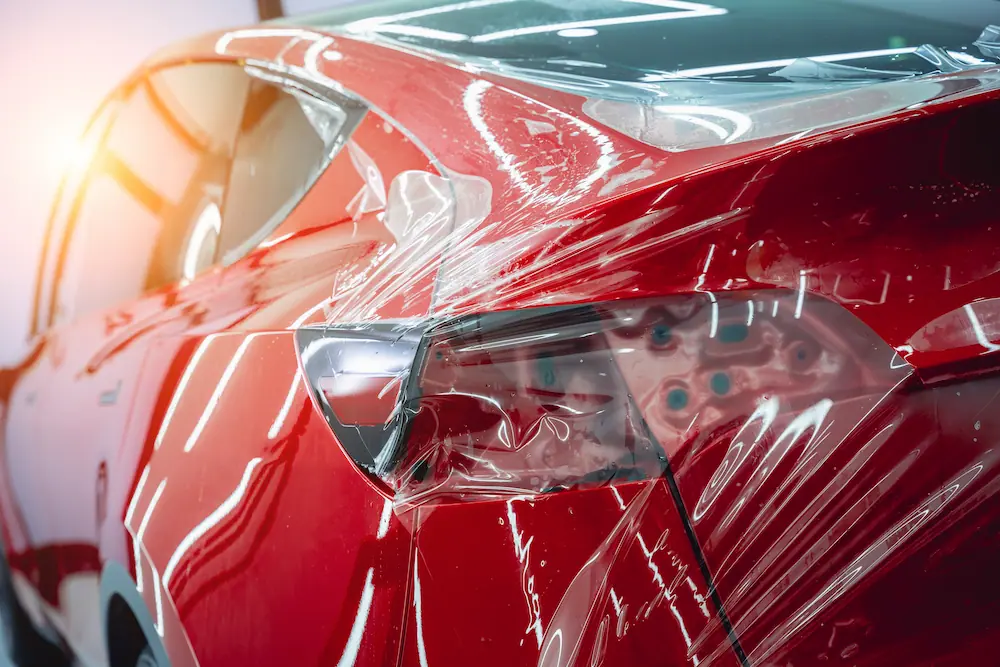
Yes. A wrap acts as a sacrificial layer between your factory paint and everything the road throws at it: UV rays, light stone chips, minor abrasions, and environmental contaminants. The paint underneath stays in the same condition it was in the day the wrap went on.
That protection has a limit. Heavy impacts and deep scratches will still reach the paint. A wrap is not the same as paint protection film, which is engineered specifically for impact resistance. But for daily UV exposure and routine road wear, a wrap keeps the surface underneath in considerably better shape than leaving it exposed.
What Happens to Your Resale Value?
This is where wraps separate clearly from repaints on premium vehicles.
When you put a wrap on a car, you are basically putting the paint into stasis. It is going to look exactly the same when you remove it as it did the day it went on. Pull the wrap before selling and you reveal factory paint in near-original condition. On a vehicle in the $80,000 to $150,000 range, that matters considerably to buyers and appraisers.
A traditional repaint does the opposite. On a luxury or exotic vehicle, factory paint is part of the car's documented value. Any respray, even a quality one, signals to buyers that something happened to the original surface. That uncertainty costs money at the point of sale.
The timing of removal matters. Around the three-year mark, start watching for cracking, fading, and inconsistent finish. Those are early signs the wrap is aging toward the point where removal gets complicated. Adhesive that has been baking on for years hardens and can etch the clear coat during removal. Pull it while it still comes off cleanly, and the paint underneath is in exactly the condition you left it.
One honest note on dealerships: if you plan to trade or sell through a dealer, they will almost certainly ask for the wrap to be removed before making an offer, regardless of the color. Dealers want to see the paint condition underneath, and we have had multiple clients run into exactly that situation. Selling to a private buyer is a different story. A fresh, clean wrap in a desirable color can be a genuine advantage in a private sale.
Once you've decided a wrap is the right move, see our Austin car wrap cost guide for a realistic look at what a professional install runs in 2026.
Browse our wrap options or get a free quote and we'll walk you through what makes sense for your specific vehicle.
Is a Wrap Reversible?
Yes. A professional wrap is fully reversible. The adhesive is designed to release cleanly from factory paint without leaving residue or causing damage, as long as removal happens within a reasonable timeframe.
The window matters. Leave a wrap on well past its lifespan and the adhesive bonds more aggressively to the paint surface. Removal becomes slow, labor-intensive, and puts the clear coat at risk. Remove it during the three-to-five year window, before serious wear sets in, and it comes off cleanly in large sections without complications.
Can You Wrap a Car with Existing Paint Damage?
Light surface damage is usually not a problem. Minor scratches, small chips, and slightly failing clear coat in limited areas will not prevent a wrap from going on or looking right. We can sand down minor surface imperfections before installation when the customer understands and acknowledges the underlying condition.
The line is at heavy oxidation, widespread clear coat failure, and rust. A simple self-check: wipe your hand across the paint. If it comes back chalky, the adhesive is not going to bond properly to that surface. The wrap will peel, bubble, and fail early.
That condition needs paint work first. Not a show-quality finish, but enough surface integrity for the adhesive to grip. Some clients still want a color change wrap after a repaint, and that works perfectly. The sequence is what matters.
When Does Repainting Make More Sense?
When you are trying to fix something.
A wrap is not a fix. If the paint is damaged, heavily oxidized, or failing, covering it with vinyl hides the problem temporarily. It does not solve it, and when the wrap eventually comes off, whoever owns the car at that point is going to find out what was underneath. If the goal is to correct a deteriorated finish, start with paint. If the goal after that is a color change or custom look, a wrap can go on top of clean, solid paint and work exactly as intended.
Should You Wrap a Leased Car?
Yes, and it is often the only real option for customization on a lease.
You cannot repaint a leased vehicle. A wrap is fully reversible, so you can change the look for the duration of the lease and have it professionally removed before turn-in. As long as the factory paint comes back in the same condition it left in, there is no issue with the lease return. The key is getting removal handled before the wrap ages past the point where the adhesive has bonded hard to the paint. Manage the timing and the whole thing works without complications.
Can a Paint Job Do What a Custom Wrap Can?
Not at the same price, and not across the same range of options.
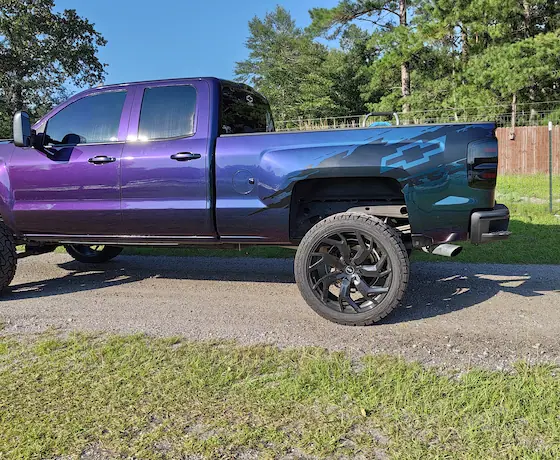
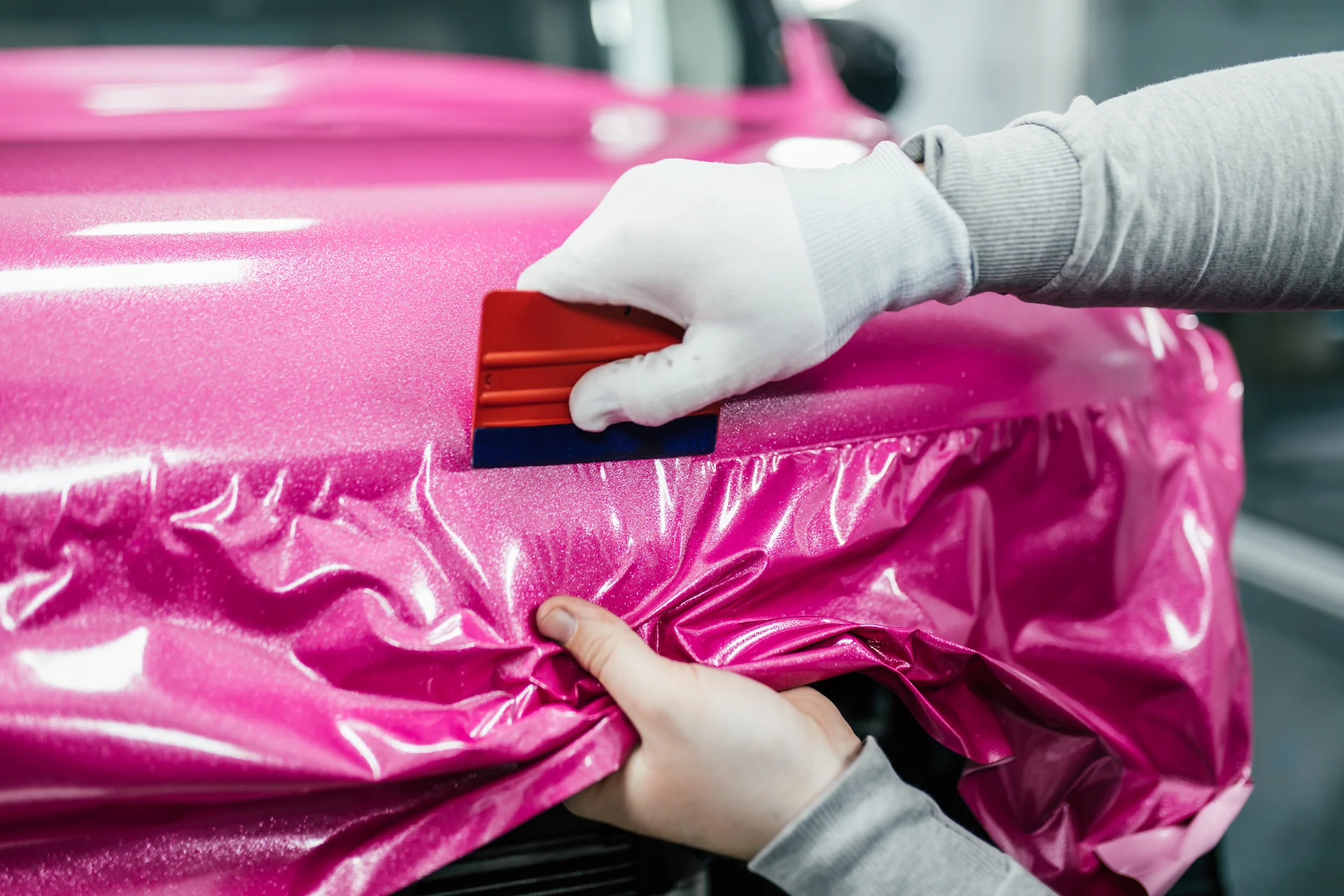
A wrap can print anything. Any graphic, any image, any color combination, in any finish: matte, gloss, satin, color-shift, chrome, brushed metal, carbon fiber texture. The design is produced digitally and applied as film. A custom painted design requires a skilled body painter to lay each element down by hand. That work gets into five figures fast, and the range of finishes and textures available in paint is narrow compared to what film can do. For any vehicle that needs a unique design or specific branded look, a wrap wins on both capability and cost.
Frequently Asked Questions
Is it cheaper to wrap or paint a car in Austin?
A full color change wrap on a sedan starts at $3,200. A quality repaint from a reputable shop starts around $5,000. Budget chain repaints run under $3,000 but are a different product: they permanently change your color with no protective benefit and no reversibility.
Does a car wrap damage the paint underneath?
No. A professional wrap protects the factory paint beneath it. The adhesive is designed to release cleanly without leaving residue or causing damage, as long as removal happens within a reasonable timeframe. The risk comes from leaving a wrap on well past its lifespan, at which point the adhesive bonds more aggressively and removal can damage the clear coat.
Can you wrap a car with bad paint?
Light surface damage is usually fine. Heavy oxidation, widespread clear coat failure, and rust will prevent the adhesive from bonding properly. A simple test: wipe your hand across the paint. If it comes back chalky, the surface needs paint work before a wrap will stick.
Does a car wrap increase resale value?
On premium and exotic vehicles, a wrap tends to preserve resale value when removed before selling. It keeps the factory paint in stasis, protecting it from UV and daily wear. When the wrap comes off, it reveals original paint in near-original condition. A traditional repaint on a high-end vehicle often reduces resale value because it signals to buyers that something happened to the original paint.
How long does a car wrap last in Austin?
In Texas conditions, plan on three to five years for a quality wrap. UV exposure is the primary factor. Garage-kept vehicles hold up significantly longer. Material matters too: solid color films from brands like KPMF and Orafol tend to outlast high-metallic finishes. Start watching for cracking, fading, and inconsistent finish around the three-year mark.
Can you wrap a leased car?
Yes. A wrap is fully reversible and will not affect your lease return as long as it is professionally removed and the factory paint underneath is in good condition. Handle removal before the wrap ages to the point where the adhesive has bonded hard to the paint.