Most people treat paint protection like it's a simple yes or no decision. Either you wrap the whole car or you don't bother. But that's not actually how it works, and thinking about it that way is how you end up either overspending on coverage you didn't need or underprotecting a car you genuinely care about.
The truth is, choosing a paint protection film service is really about mapping your risk. Where do you drive? How long do you plan to keep the car? What kind of damage are you most likely to encounter? The answers to those questions should be driving your coverage decision, not just your budget.
In this post, we're breaking down exactly what full-front and full-body PPF each protect, where the gaps are, and why a hybrid approach might actually be the smarter middle ground most buyers overlook. We'll also walk you through a practical decision framework and the questions worth asking your installer before you commit. By the end, you'll know which coverage tier actually fits your situation rather than just guessing.
What Full-Front PPF Actually Protects (and What It Leaves Exposed)
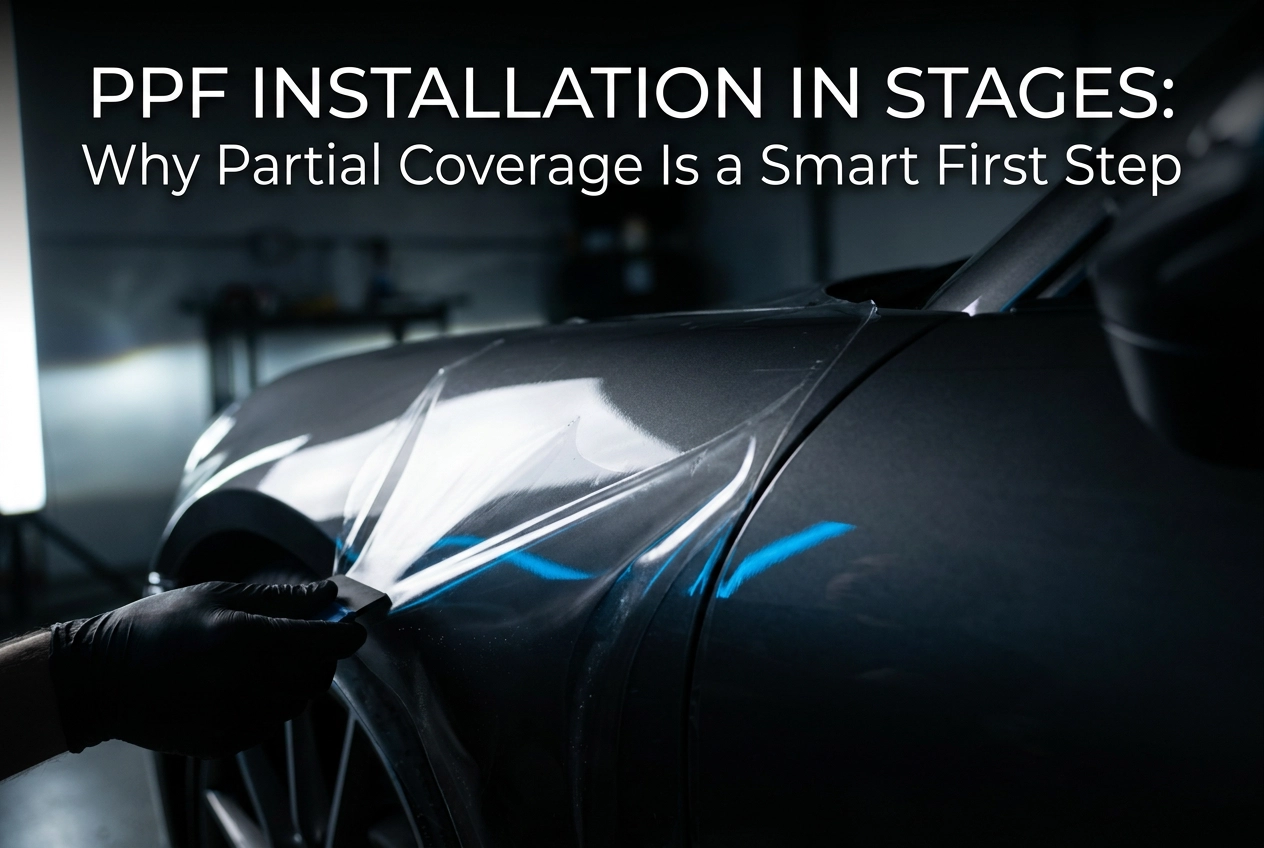
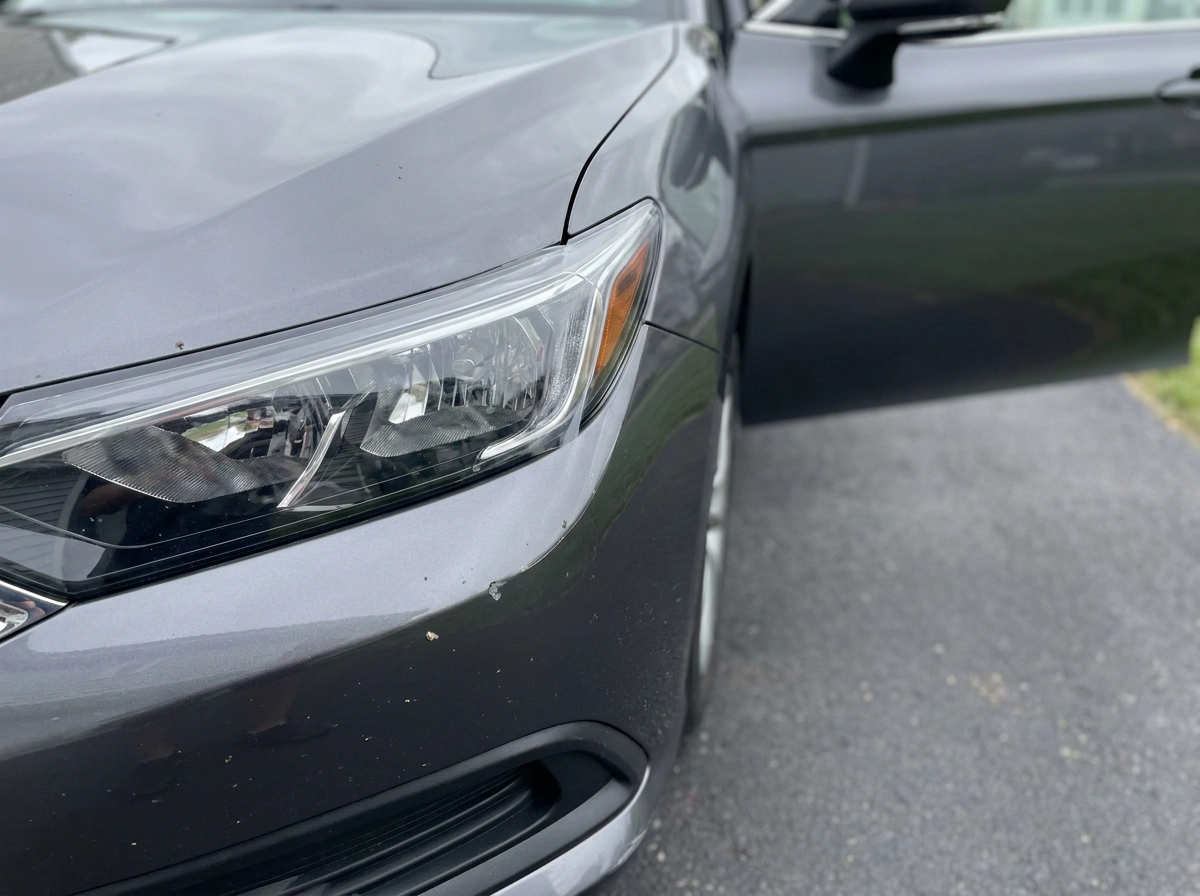
Full-front paint protection film PPF covers the panels that take the hardest hits during normal driving: the hood, front bumper, front fenders, side mirrors, and usually the headlights. These are your forward-facing surfaces, the ones that catch every piece of gravel, road debris, and bug at highway speed. That's exactly what this coverage tier is designed for.
Pricing for a full-front install typically runs $1,500–$3,500 depending on the vehicle, the film, and the installer, with many quality installs landing around $2,000–$2,100.
Here's the honest part, though. Full-front PPF leaves a lot of your car exposed.
What it doesn't cover:
- Door panels
- Rocker panels
- Rear bumper
- Roof
- Trunk lid
Those surfaces face a completely different set of threats. Parking lots, road spray, door dings from other cars, shopping carts, grit kicked up along the lower sides. None of that comes from driving fast on a highway; it comes from everyday urban life.
If your biggest concern is highway chips and rock damage on your commute, full-front coverage is a solid match. It protects the panels most likely to take that kind of abuse and keeps your budget in check.
But if you're planning to own the car for five or more years, the unprotected sides and rear start to matter more. Doors and rocker panels quietly accumulate scratches, chips, and paint wear over time. It's not dramatic damage; it's the slow, gradual kind that shows up at trade-in or when you compare your car to one with full vehicle coverage. Worth factoring into your decision before you commit to a tier.
What Full-Body PPF Actually Adds to the Picture
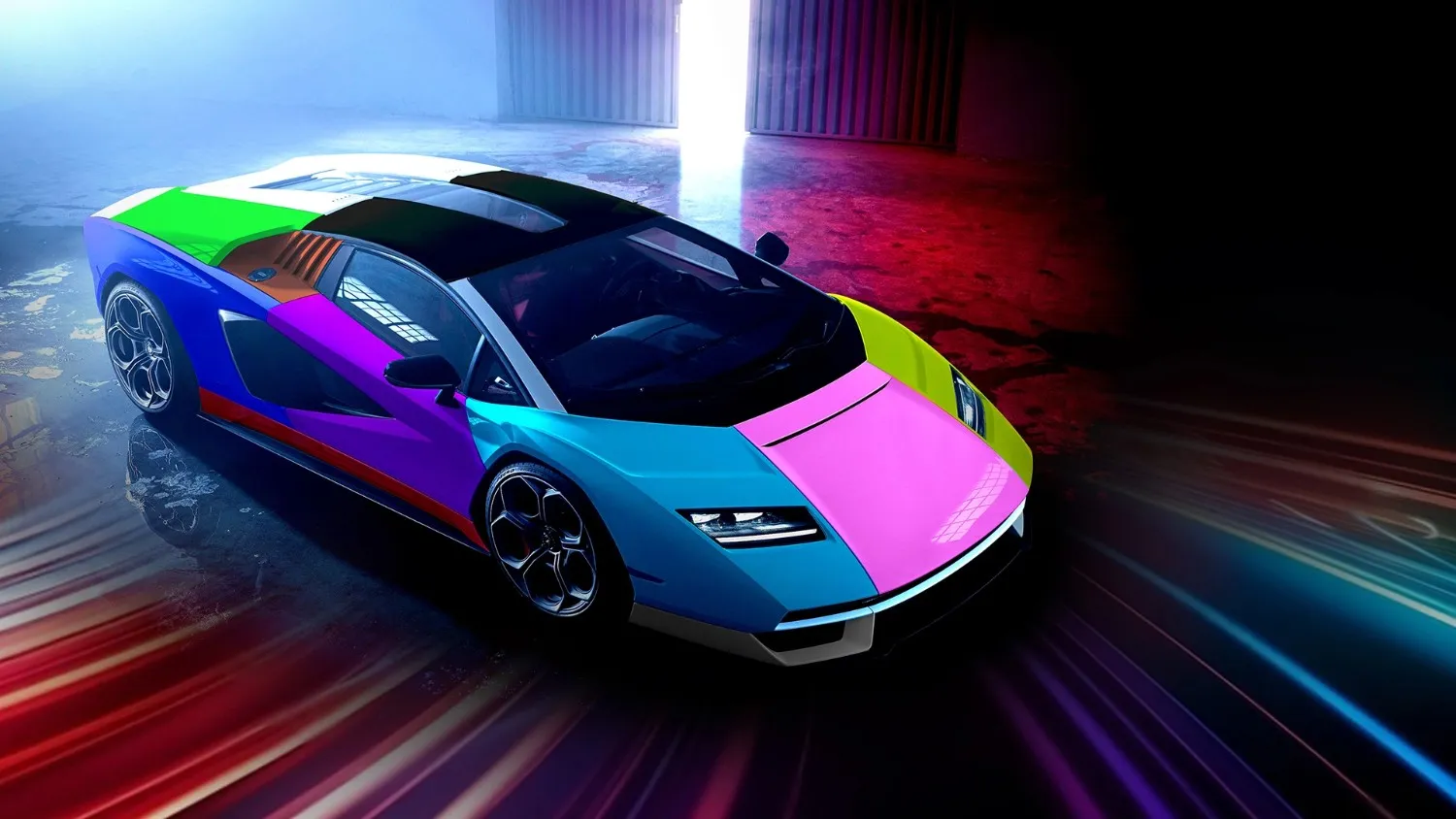
Full-body PPF covers every surface front-only leaves behind, doors, rocker panels, rear bumper, A-pillars, roof, and trunk.
The price reflects that. Full-body PPF typically runs $5,000–$7,000 depending on vehicle size and the film product used, which puts it at roughly 3–7x the cost of front-only coverage. That's a real number, and it deserves honest framing.
Here's the thing though: the panels full-body adds aren't taking rocks at highway speed. They're taking something different. Door dings from parking lots, road spray kicked up by other vehicles, shopping carts, and slow-burn UV degradation on horizontal surfaces like the roof and trunk. Lower drama, but it accumulates. A roof or trunk lid that's been baking in the Texas sun for five years without protection tells a different story at trade-in time.
That's where long-term ownership changes the math. If you're planning to sell or trade the car with clean paint across every panel, front-only coverage leaves visible gaps. Paint film protection only delivers fully on resale value when there are no unprotected panels giving the story away.
Full-body applications also unlock something front-only can't touch: color PPF. Matte, satin, or custom finishes that do double duty as both protection and a visual upgrade. It's a serious driver among EV and premium vehicle owners who want a finish that's genuinely unique and genuinely protected. If that appeals to you, check out Color PPF cost by vehicle size to get a sense of what the investment looks like for your specific car.
Full-body isn't the right call for everyone, but for the right vehicle and ownership plan, it closes every gap.
The Hybrid Option Most People Don't Know About
There's a middle path between full-front and full-body that most buyers never hear about, and it's worth knowing before you commit either direction.
Pair full-front PPF with a ceramic coating on the remaining panels. PPF handles the high-impact front; ceramic handles the rest.
To be straight with you: ceramic coating on the doors won't stop a door ding or a deep scratch. That's not what it's for. What it does is slow down the gradual, invisible wear that dulls paint over time, the micro-scratches from washing, the UV fade on horizontal panels, the grime that bonds to unprotected clear coat. That day-to-day degradation is what makes a car look tired at the four-year mark, and ceramic meaningfully pushes that timeline out.
For drivers who want whole-car protection but aren't planning a long ownership run, this combination typically delivers the best cost-to-protection ratio of any tier. You get meaningful coverage across the entire car without paying for full-body film on panels that rarely take serious impact damage.
If you want to go deeper on how PPF and ceramic actually work together, Run Both breaks down the complementary strengths of each.
One practical note: if a shop offers both services, ask about bundled pricing. Adding ceramic to the remaining panels after a front PPF install is often priced more competitively as a package than booking them separately. It's worth the ask before you finalize anything.
Tell us your make, model, and what you have in mind. We'll give you an exact quote, not a ballpark.
The Three Variables That Actually Determine the Right Coverage
So which tier is actually right for your car? It comes down to three things.
How and Where You Drive
Highway commuters rack up the most rock chip damage. Full-front PPF was built for exactly that, protecting panels that take direct hits from road debris at speed. But if your daily reality looks more like Austin stop-and-go, crowded parking lots, or gravel roads, the risk shifts to doors and lower panels. That changes the math toward expanded coverage.
What Your Car Is Worth to Fix
There is no magic dollar threshold, but the logic is straightforward. A paint correction or full respray on a luxury or specialty vehicle can run several thousand dollars or more depending on the vehicle. Full-body PPF on a $70,000 car is a reasonable investment in preservation. On a $28,000 daily driver you plan to sell in a few years, front-only or the hybrid approach typically pencils out better. The question is whether protection costs less than what you would spend fixing unprotected paint.
How Long You Plan to Own It
This is the one that matters most. Owners keeping a vehicle five or more years have the strongest case for full-body coverage. The longer you own it, the more chances unprotected doors and rockers have to accumulate dings, chips, and wear. If you are on a two or three year cycle, front-only or hybrid is usually the smarter call. For a deeper look at who should actually invest in full coverage ceramic and PPF protection, that breakdown is worth reading alongside this one.
One more factor if you are in Austin: Texas UV is genuinely aggressive. Horizontal surfaces like the roof, hood, and trunk fade faster here than in lower-UV climates. PPF or ceramic on those panels carries real value locally.
One quick correction: vinyl wrap is not a substitute for paint film protection. Vinyl is decorative. It is too thin to absorb rock impacts and does not protect paint the way PPF does. For a detailed look at how color PPF compares to vinyl wrap on cost and protection in Austin, that post covers the full breakdown.
Which Coverage Tier Makes Sense for Your Situation
Now that you've worked through the three key variables, here's how they map to real ownership scenarios.
Daily driver, mostly highway miles, keeping it 3 years or less: Full-front PPF is the right call. You're protecting the panels that absorb the most actual damage for your use case, and your budget goes exactly where it matters.
New luxury or specialty vehicle, $50K+, keeping it 5 or more years: Full-body PPF makes economic sense. Weighed against the cost of full coverage options upfront, the math shifts pretty quickly.
Trucks: Truck paint protection film decisions play out differently than cars. Trucks collect serious rocker panel and lower door damage from debris, mud, and off-road use. If you're doing any driving on gravel or unimproved roads, extend coverage down the sides, not just the front.
EVs and premium vehicles: This group has pushed a lot of the PPF conversation in recent years for good reason. Paint on many EVs and performance models is notoriously thin and expensive to fix. Full-body or the hybrid approach are both worth pricing out before you decide.
Weekend or enthusiast car, low annual miles: Full-body PPF often makes sense here too, just for different reasons. The car likely carries sentimental or collector value, and ownership windows tend to run long even when the mileage stays low. Color PPF is also worth a look if you want to shift or enhance the finish at the same time you're protecting it.
What to Ask Your Installer Before You Commit to a Coverage Level
Once you've figured out the right coverage tier for your situation, the next step is finding a shop that can actually deliver it well. Here are the questions worth asking before you commit.
Does the shop back the install with their own warranty? Ask whether the shop offers any workmanship guarantee on top of the manufacturer's film warranty, those can be two different things, and it's worth clarifying upfront.
What specific film are they installing? Not all clear paint protection film is equal. Thickness, topcoat chemistry, self-healing capability, and optical clarity vary across product lines, and a shop that can't explain what they're putting on your car or why they chose it is worth questioning. Two films listed at the same mil rating can have meaningfully different performance depending on how those mils are distributed across the TPU core, adhesive, and topcoat layers.
Can they show you previous full-body installs on similar vehicles? Panel alignment, seam placement on doors and rockers, and edge coverage are all areas where installer experience shows up clearly. Ask to see photos of comparable work before you say yes.
If the hybrid approach appeals, ask about bundle pricing, shops that offer both services often discount the combination.
How long will the install actually take? Full-body paint protection film service often takes several days, though timelines vary by shop and vehicle complexity, confirm your installer's schedule before booking.
The Right Coverage Is the One That Matches How You Actually Use Your Car
Once you've asked the right questions and landed on a direction, the decision usually comes down to this: match the coverage to how the car actually lives.
Full-front remains the right call for most daily drivers. Full-body closes every gap for long-term owners and higher-value vehicles. The hybrid approach is the most rational middle ground for everyone in between.
All three approaches are available at Wrapt Auto Styling, and the team can walk you through which one fits your car, your driving habits, and what you're actually trying to protect. Free quotes, response within one business day.
Conclusion
Choosing the right PPF coverage is not about buying the most or spending the least. It is about matching your protection to how your car actually lives in the real world.
Whatever tier fits your situation, the next step is the same.
The team at Wrapt Auto Styling can walk you through your options, help you think through your driving habits, and put together a coverage plan built around your actual needs. Get your free quote today and protect your paint before the road does the deciding for you.
Frequently Asked Questions
What's the main difference between full-front and full-body PPF coverage?
Full-front PPF covers your vehicle's forward-facing panels, hood, front bumper, front fenders, side mirrors, and headlights, protecting against highway rock chips and road debris. It typically costs $1,500–$3,500. Full-body PPF adds coverage to doors, rocker panels, rear bumper, roof, and trunk, protecting against parking lot dings and UV damage, but costs significantly more at $5,000–$7,000. Full-front is ideal for highway commuters, while full-body is better for long-term owners planning to keep their vehicle five or more years.
What is the hybrid PPF approach, and who should consider it?
The hybrid approach combines full-front PPF with ceramic coating on the remaining panels. While ceramic won't stop deep scratches or door dings, it slows the gradual wear from micro-scratches, UV fade, and grime buildup that makes cars look tired over time. This option offers the best cost-to-protection ratio for drivers wanting whole-car protection without the high cost of full-body film, especially those planning a 2–3 year ownership window. Many shops offer bundled pricing for this combination, so it's worth asking before finalizing your decision.
How much does paint protection film cost, and is the investment worth it?
Full-front PPF typically runs $1,500–$3,500, while full-body ranges from $5,000–$7,000. The value depends on your vehicle's worth and repair costs. On a luxury or specialty vehicle worth $50K+, full-body PPF is often a reasonable investment since paint correction or full respray can cost several thousand dollars. On a $28,000 daily driver you plan to sell in a few years, full-front or the hybrid approach usually makes more financial sense. The key question is whether the protection costs less than what you'd spend fixing unprotected paint damage.
What are the three main factors I should consider when choosing PPF coverage?
The three key variables are: (1) How and where you drive, highway commuters benefit most from full-front coverage, while stop-and-go urban driving increases door and rocker panel risk; (2) What your car is worth to fix, luxury vehicles justify full-body coverage due to high repair costs; and (3) How long you plan to own it, five or more years strongly favors full-body coverage since unprotected panels accumulate damage over time. Bonus consideration: if you're in Texas, UV protection on horizontal surfaces like roofs and trunks carries extra value.
What important questions should I ask a PPF installer before booking?
Ask these five critical questions: (1) Does the shop back the install with their own workmanship warranty? (2) What specific film brand and product are they using, and why did they choose it? (3) Can they show you previous full-body installs on similar vehicles to demonstrate their panel alignment and edge coverage quality? (4) If considering the hybrid approach, do they offer bundle pricing for PPF plus ceramic? (5) How long will the installation actually take? Full-body installs often take several days, so confirm the timeline before booking. A shop that can't explain their choices clearly may not be the right fit.